

Recovering sling chairs can be a daunting task, especially if you’re new to DIY projects or upholstery. However, with the right tools and a bit of patience, you can give your old sling chairs a brand new look. In this comprehensive guide, we’ll walk you through the process of recovering sling chairs, from preparation to completion.
Introduction to Sling Chair Recovery
Sling chairs are a popular choice for outdoor and indoor furniture due to their comfort and durability. Over time, however, the fabric can fade, tear, or become worn out, requiring a recovery. If you’re struggling with worn-out sling chairs, you’re not alone. Many people face the same issue, and the good news is that recovering them is a relatively simple process.
Preparation is Key
Before you start recovering your sling chairs, it’s essential to prepare the necessary tools and materials. Here’s a list of what you’ll need:
- New fabric of your choice (consider durability, water resistance, and UV protection)
- Measuring tape
- Scissors or a rotary cutter
- Sewing machine
- Thread
- Zipper or sling chair clips
- Foam cushioning (if needed)
- Webbing or straps
Measuring and Cutting the Fabric

To ensure a proper fit, measure your sling chair’s frame and fabric carefully. Take note of the following:
- The length and width of the chair’s seat and backrest
- The distance between the sling chair’s rails
- The type of fabric and its stretchiness
Cut the fabric according to your measurements, leaving a 1-2 inch margin around the edges. If you’re using a patterned fabric, consider the direction of the pattern and cut the fabric accordingly.
Removing the Old Fabric
Before installing the new fabric, you’ll need to remove the old one. This can be a bit tricky, but it’s essential to do it carefully to avoid damaging the chair’s frame. Use a screwdriver or a wrench to remove the screws or clips that hold the fabric in place. Gently pull the fabric away from the frame, taking care not to tear it.
Installing the New Fabric
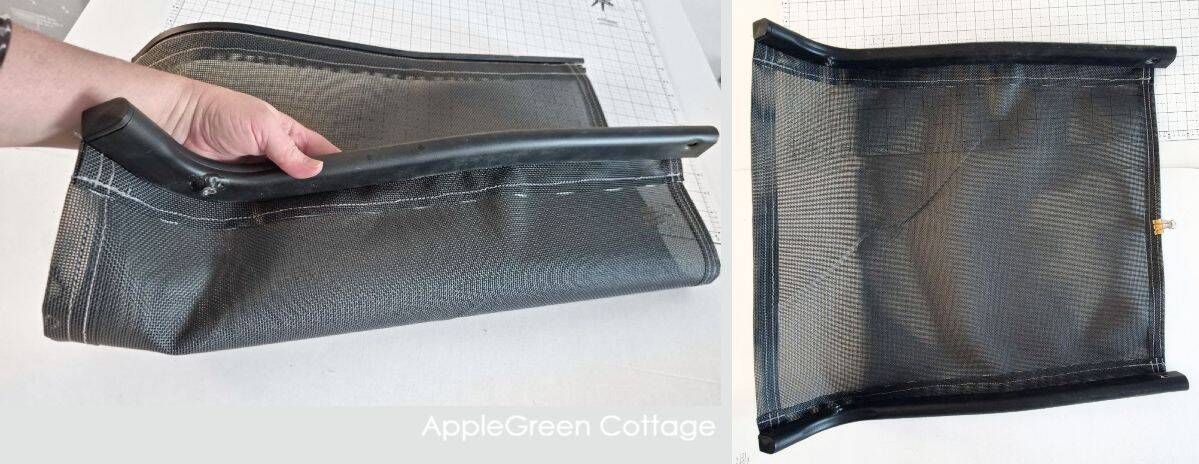
Now it’s time to install the new fabric. Start by attaching the fabric to the chair’s frame using the screws or clips you removed earlier. Make sure the fabric is tight and evenly spaced. If you’re using a zipper or sling chair clips, attach them to the fabric and the chair’s frame according to the manufacturer’s instructions.
Sewing the Fabric
If your sling chair has a sewn-in design, you’ll need to sew the fabric together using a sewing machine. Use a heavy-duty thread and a suitable needle to ensure a strong stitch. Sew the fabric together, leaving a small opening to turn the fabric right side out.
Turning and Topstitching
Once you’ve sewn the fabric together, turn it right side out and press the seams using an iron. Topstitch the seams to give the fabric a finished look and to prevent fraying.
Attaching the Foam Cushioning
If your sling chair has a foam cushion, you’ll need to attach it to the fabric. Use a strong adhesive or a staple gun to secure the foam to the fabric.
Final Touches
Once you’ve completed the recovery process, inspect the chair for any imperfections or loose threads. Make any necessary adjustments and tighten the fabric as needed.
Tips and Tricks
- Use a high-quality fabric that’s durable and resistant to fading and water damage.
- Consider using a waterproof coating or treatment to protect the fabric from the elements.
- Use a sewing machine with a heavy-duty needle to ensure a strong stitch.
- Don’t pull the fabric too tight, as this can cause it to pucker or distort.
Common Mistakes to Avoid
- Not measuring the fabric correctly, resulting in a poor fit.
- Not using a suitable thread or needle, resulting in a weak stitch.
- Not attaching the fabric securely to the chair’s frame, resulting in a loose or sagging fabric.
Conclusion
Recovering sling chairs is a relatively simple process that can give your old chairs a brand new look. By following these steps and using the right tools and materials, you can create a comfortable and stylish seating solution for your outdoor or indoor space. Remember to measure carefully, use high-quality materials, and sew the fabric together securely to ensure a professional-looking finish.
Pro Tips
- Use a fabric with a bit of stretch to ensure a comfortable fit.
- Consider adding a layer of batting or insulation to the fabric for extra comfort and warmth.
- Use a zipper or sling chair clips to make it easy to remove and clean the fabric.
Professional Help
If you’re not comfortable with the recovery process or if you’re unsure about any aspect of the project, consider seeking professional help. A professional upholsterer can help you choose the right fabric, measure the chair, and install the new fabric.
FAQ
Q: What type of fabric is best for sling chairs?
A: The best fabric for sling chairs is one that’s durable, water-resistant, and UV-protected. Consider using a fabric with a high thread count and a waterproof coating.
Q: How often should I recover my sling chairs?
A: The frequency of recovery depends on the usage and condition of the chairs. If the fabric is faded, torn, or worn out, it’s time to recover the chairs.
Q: Can I use a sewing machine to recover my sling chairs?
A: Yes, you can use a sewing machine to recover your sling chairs. Use a heavy-duty thread and a suitable needle to ensure a strong stitch.
Q: How long does it take to recover a sling chair?
A: The time it takes to recover a sling chair depends on the complexity of the project and your level of experience. On average, it can take several hours to complete the recovery process.
Q: Can I recover my sling chairs myself, or do I need to hire a professional?
A: You can recover your sling chairs yourself if you have the necessary tools and experience. However, if you’re unsure about any aspect of the project, consider seeking professional help.
By following these steps and tips, you can recover your sling chairs and give them a brand new look. Remember to measure carefully, use high-quality materials, and sew the fabric together securely to ensure a professional-looking finish. Happy recovering!


