
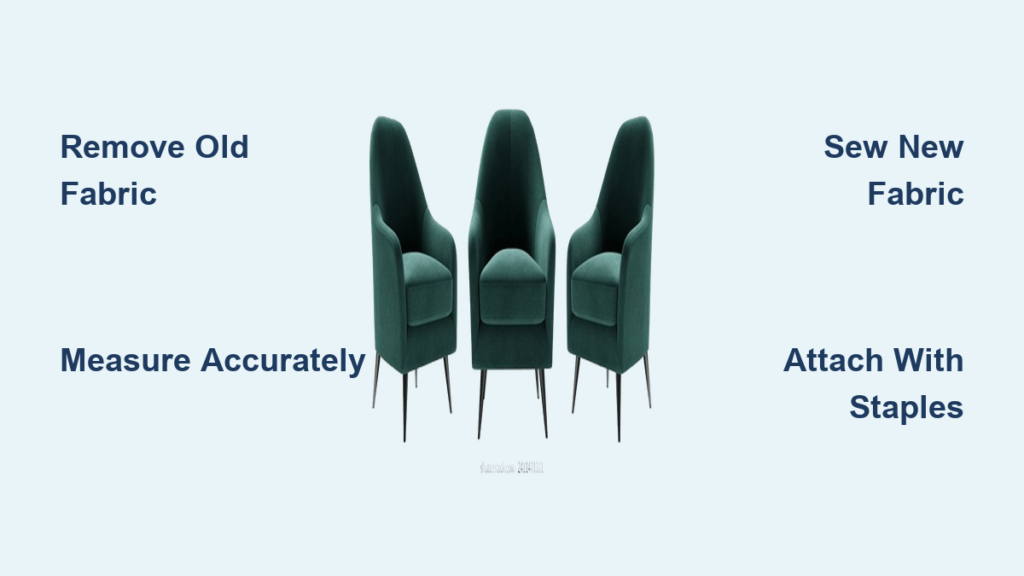
Are you tired of looking at your worn-out lounge chairs, wishing you could give them a brand new appearance without breaking the bank? Recovering your lounge chairs is a cost-effective and creative way to breathe new life into your outdoor or indoor furniture. In this comprehensive guide, we’ll walk you through the step-by-step process of how to recover lounge chairs, from preparation to the final touches.
Preparation is Key
Before you start the recovery process, it’s essential to prepare your lounge chairs. This involves removing the old fabric, inspecting the frame for any damage, and gathering the necessary materials.
Materials Needed
| Item | Quantity | Specifications |
|---|---|---|
| New fabric | Varies | Waterproof, durable, and suitable for outdoor or indoor use |
| Foam cushioning | Varies | High-density foam for comfort and support |
| Thread | 1 spool | Matching the color of your new fabric |
| Measuring tape | 1 | For accurate measurements |
| Sewing machine | 1 | For stitching the new fabric |
| Scissors | 1 pair | Heavy-duty for cutting fabric |
| Staple gun | 1 | For securing the fabric to the frame |
Removing the Old Fabric

Removing the old fabric from your lounge chairs can be a bit challenging, but it’s a crucial step in the recovery process. Start by turning the chair upside down and locating the screws or staples that hold the fabric in place. Remove these screws or staples, and gently pull the fabric away from the frame. If the fabric is stubborn, use a flathead screwdriver to pry it loose.
Tips for Removing Old Fabric
- Work slowly and carefully to avoid damaging the frame or the new fabric.
- Use a staple remover to remove staples, as they can be sharp and cause injury.
- If the old fabric is glued to the frame, use a solvent to dissolve the adhesive.
Measuring and Cutting the New Fabric
Once you’ve removed the old fabric, measure the frame to determine how much new fabric you’ll need. Add a few inches to the measurements to ensure a snug fit. Cut the fabric using scissors or a rotary cutter, depending on the type of fabric and your personal preference.
Measuring Tips
- Measure the width, length, and depth of the chair to ensure accurate measurements.
- Consider the pattern and texture of the fabric when cutting to minimize waste.
- Use a ruler or measuring tape to mark the cutting lines.
Sewing the New Fabric
If your lounge chairs have removable cushions, you’ll need to sew the new fabric to fit the cushions. Use a sewing machine to stitch the fabric, leaving a small opening to insert the foam cushioning. Turn the fabric right side out, and insert the foam cushioning through the opening.
Sewing Tips
- Use a heavy-duty sewing machine to handle thick fabrics.
- Choose a thread color that matches the fabric to create a seamless look.
- Leave a small margin around the edges to prevent fraying.
Attaching the New Fabric to the Frame
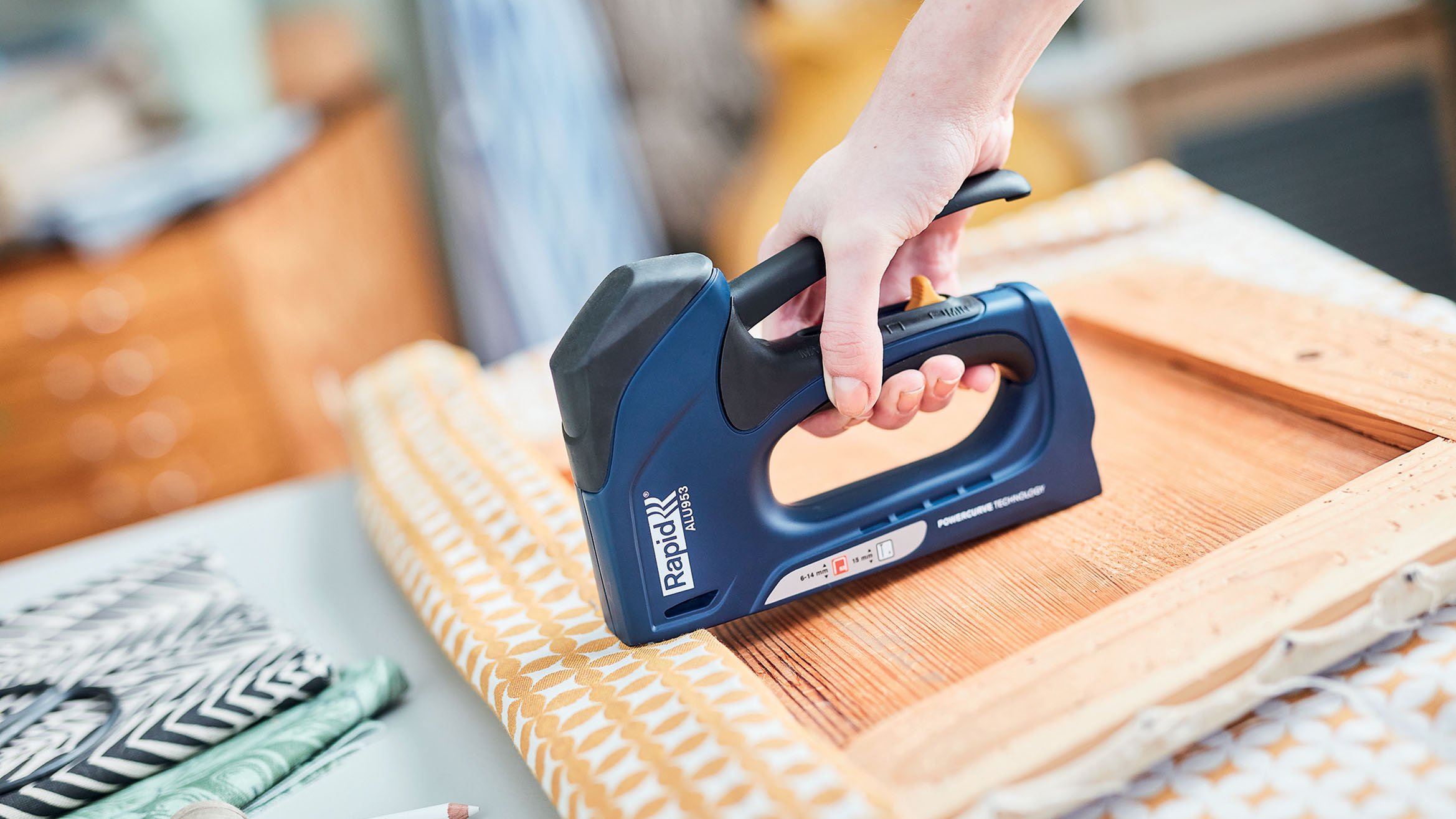
Once you’ve sewn the new fabric, attach it to the frame using a staple gun. Start at the bottom of the chair and work your way up, ensuring the fabric is tight and even. Use staples to secure the fabric to the frame, making sure they’re spaced evenly apart.
Attaching Tips
- Use a staple gun with a long nose to reach tight spaces.
- Apply even pressure to avoid wrinkles or creases.
- Use a hammer to tap the staples into place for added security.
Adding the Finishing Touches
The final step in recovering your lounge chairs is adding the finishing touches. This includes adding any decorative trim or piping, and fluffing up the cushions to create a comfortable and inviting seating area.
Finishing Touches Tips
- Use a hot glue gun to attach decorative trim or piping.
- Fluff up the cushions to create a plush and comfortable seating area.
- Add any additional features, such as armrests or footrests, to complete the look.
Common Mistakes to Avoid

When recovering lounge chairs, there are several common mistakes to avoid. These include:
- Not measuring the frame accurately, resulting in ill-fitting fabric.
- Not using the right type of fabric, resulting in a chair that’s not durable or comfortable.
- Not sewing the fabric correctly, resulting in a chair that’s not secure or stable.
Troubleshooting
If you encounter any issues during the recovery process, don’t panic. Here are some common problems and solutions:
- Fabric is too tight: Loosen the fabric and reattach it to the frame.
- Fabric is too loose: Tighten the fabric and reattach it to the frame.
- Staples are not holding: Use a stronger staple gun or add additional staples for extra security.
Conclusion
Recovering your lounge chairs is a fun and rewarding DIY project that can give your outdoor or indoor space a fresh new look. By following these steps and tips, you can create a comfortable and inviting seating area that’s perfect for relaxing and entertaining. Remember to measure accurately, choose the right fabric, and sew carefully to ensure a professional-looking finish. Happy recovering!
FAQ
Q: What type of fabric is best for recovering lounge chairs?
A: The best type of fabric for recovering lounge chairs depends on the intended use and desired look. Outdoor fabrics should be waterproof and durable, while indoor fabrics can be more decorative and comfortable.
Q: How long does it take to recover a lounge chair?
A: The time it takes to recover a lounge chair depends on the complexity of the project and the individual’s level of experience. On average, it can take several hours to complete.
Q: Can I recover a lounge chair myself, or do I need to hire a professional?
A: Recovering a lounge chair can be a DIY project, but it may require some sewing and upholstery skills. If you’re not comfortable with these skills, it’s best to hire a professional.
Q: How much does it cost to recover a lounge chair?
A: The cost of recovering a lounge chair depends on the type and amount of fabric needed, as well as any additional materials or tools required. On average, it can cost between $50 to $200 to recover a lounge chair.
Q: Can I use any type of foam cushioning for my lounge chair?
A: No, not all foam cushioning is created equal. Choose a high-density foam that’s designed for outdoor or indoor use, depending on the intended location of the chair.


