

Are you tired of looking at your worn-out dining room chairs? Do you want to give them a fresh new look without breaking the bank? Recovering your dining room chairs is a great way to breathe new life into your dining space. In this comprehensive guide, we will walk you through the step-by-step process of recovering your dining room chairs, from preparation to completion.
Introduction to Chair Recovery
Recovering your dining room chairs can be a fun and rewarding DIY project. Not only will it save you money, but it will also allow you to choose the fabric and design that perfectly matches your home decor. Whether you’re looking to update the look of your chairs or repair damaged upholstery, this guide will provide you with the necessary tools and techniques to get the job done.
Preparation is Key
Before you start recovering your dining room chairs, there are a few things you need to consider. First, you’ll need to choose the right fabric for your chairs. Consider the color, texture, and durability of the fabric, as well as any patterns or designs that will complement your dining room decor. You’ll also need to measure your chairs to determine how much fabric you’ll need.
Measuring Your Chairs
To measure your chairs, you’ll need to take the following measurements:
- Seat width and depth
- Back width and height
- Arm width and height (if applicable)
- Any additional features, such as cushioning or tufting
Use these measurements to calculate how much fabric you’ll need. A general rule of thumb is to add 2-3 inches to each measurement to ensure you have enough fabric to work with.
Removing the Old Upholstery

Before you can recover your dining room chairs, you’ll need to remove the old upholstery. This can be a tedious process, but it’s essential to get the old fabric off before you can put the new fabric on.
Tools You’ll Need
- Upholstery remover or a flathead screwdriver
- Pliers
- Scissors
- Staple remover (if necessary)
Step-by-Step Instructions
- Remove the seat cushion: Start by removing the seat cushion from the chair. This will give you access to the underlying frame and upholstery.
- Remove the old upholstery: Use an upholstery remover or a flathead screwdriver to pry the old upholstery away from the frame. Work slowly and carefully to avoid damaging the frame or the new fabric.
- Remove any staples or tacks: Use pliers to remove any staples or tacks that are holding the old upholstery in place.
- Inspect the frame: Once the old upholstery is removed, inspect the frame for any damage or wear. Make any necessary repairs before proceeding.
Choosing the Right Fabric

Choosing the right fabric for your dining room chairs is crucial. You’ll want to select a fabric that is durable, stain-resistant, and easy to clean. Consider the following factors when choosing your fabric:
- Color: Choose a color that complements your dining room decor.
- Texture: Select a fabric with a texture that is comfortable and durable.
- Pattern: Consider a pattern that adds visual interest to your chairs.
- Durability: Choose a fabric that is stain-resistant and easy to clean.
Popular Fabric Options
- Cotton: A popular choice for upholstery, cotton is durable and easy to clean.
- Linen: A natural fiber that is breathable and stain-resistant.
- Velvet: A luxurious fabric that adds a touch of elegance to any room.
- Faux leather: A durable and low-maintenance option that is perfect for high-traffic areas.
Recovering Your Chairs
Now that you’ve removed the old upholstery and chosen your new fabric, it’s time to recover your chairs. Follow these step-by-step instructions to get the job done:
Tools You’ll Need
- New fabric
- Foam cushioning (if necessary)
- Batting (if necessary)
- Upholstery glue
- Staple gun
- Scissors
Step-by-Step Instructions
- Cut the fabric: Cut the fabric to the correct size, leaving a 2-3 inch margin around the edges.
- Apply the batting: Apply a layer of batting to the chair frame, if necessary.
- Apply the foam cushioning: Apply a layer of foam cushioning to the seat and back of the chair, if necessary.
- Attach the fabric: Use upholstery glue to attach the fabric to the chair frame. Start at the center and work your way outwards, smoothing out any wrinkles or air pockets as you go.
- Secure the fabric: Use a staple gun to secure the fabric to the chair frame. Make sure the staples are spaced evenly and are not visible from the outside.
- Add any finishing touches: Add any finishing touches, such as trim or tufting, to complete the look.
Tips and Tricks
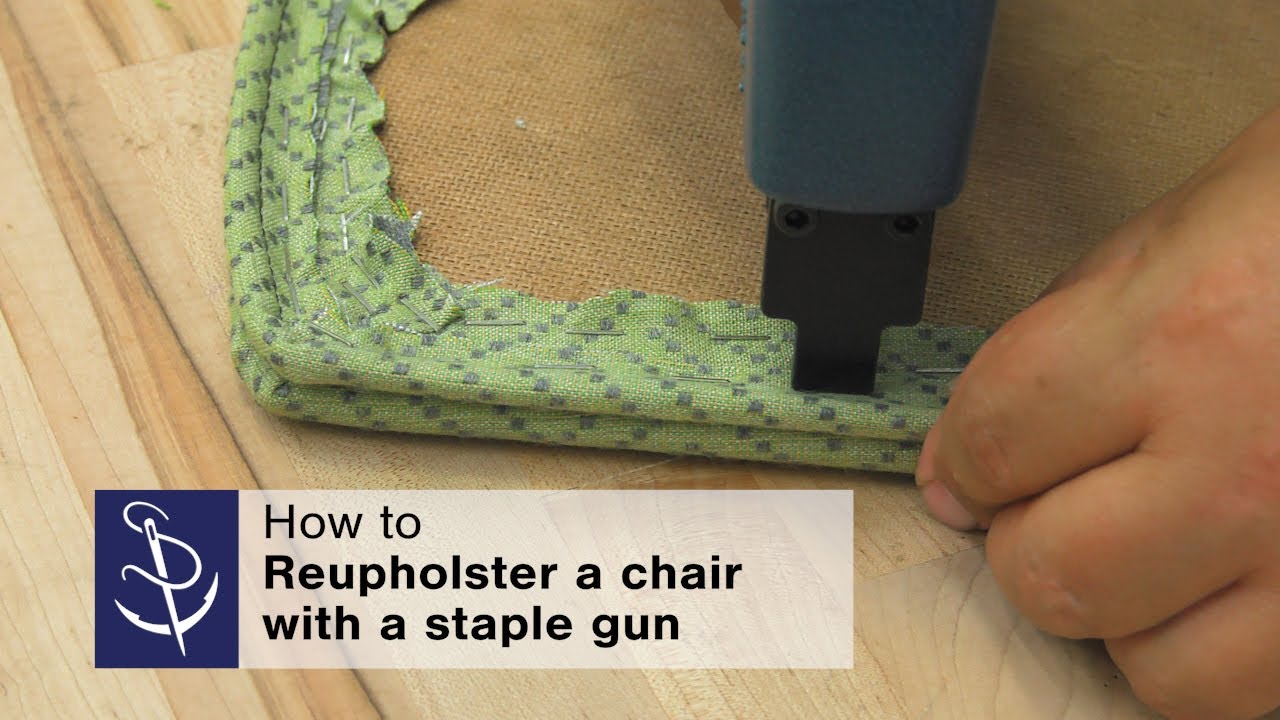
- Use a staple gun with care: Make sure the staple gun is set to the correct depth to avoid damaging the fabric or the chair frame.
- Work slowly and carefully: Recovering a chair can be a time-consuming process. Work slowly and carefully to avoid making mistakes.
- Use a walking foot: A walking foot can help you guide the fabric smoothly and evenly, reducing the risk of wrinkles or air pockets.
Common Mistakes to Avoid
- Not measuring the chair correctly: Make sure to measure the chair carefully to ensure you have enough fabric.
- Not using the right fabric: Choose a fabric that is durable and stain-resistant to ensure it will withstand heavy use.
- Not applying the fabric correctly: Make sure to apply the fabric smoothly and evenly, starting at the center and working your way outwards.
Conclusion
Recovering your dining room chairs is a great way to give your dining space a fresh new look. With the right tools and techniques, you can create beautiful, professional-looking chairs that will last for years to come. Remember to choose the right fabric, measure your chairs carefully, and work slowly and carefully to avoid making mistakes. With these tips and tricks, you’ll be well on your way to creating stunning dining room chairs that will be the envy of all your friends and family.
FAQ
Q: What type of fabric is best for dining room chairs?
A: The best type of fabric for dining room chairs is one that is durable, stain-resistant, and easy to clean. Consider fabrics like cotton, linen, or faux leather.
Q: How do I measure my dining room chairs?
A: To measure your dining room chairs, take the following measurements: seat width and depth, back width and height, arm width and height (if applicable), and any additional features, such as cushioning or tufting.
Q: What tools do I need to recover my dining room chairs?
A: You’ll need the following tools to recover your dining room chairs: upholstery remover or a flathead screwdriver, pliers, scissors, staple remover (if necessary), new fabric, foam cushioning (if necessary), batting (if necessary), upholstery glue, staple gun, and scissors.
Pro Tips
- Use a high-quality fabric: Choose a fabric that is durable and stain-resistant to ensure it will withstand heavy use.
- Work in a well-lit area: Make sure you have good lighting to see what you’re doing and to avoid making mistakes.
- Take your time: Recovering a chair can be a time-consuming process. Take your time and work slowly and carefully to avoid making mistakes.
By following these tips and tricks, you’ll be able to recover your dining room chairs like a pro and create a beautiful, functional space that you’ll enjoy for years to come.


