

Leather chairs are a staple in many homes, offering a blend of style, comfort, and durability. However, leather is a material that requires regular maintenance to retain its appearance and extend its lifespan. Failing to protect your leather chairs can lead to cracks, fading, and stains, significantly reducing their aesthetic appeal and comfort. If you’re struggling with how to keep your leather furniture looking its best, you’re not alone. Protecting leather chairs is easier than you think, and with the right techniques and products, you can enjoy your leather furniture for years to come.
This comprehensive guide will walk you through the process of protecting your leather chairs, from understanding the different types of leather to applying the right protection methods. By the end of this article, you’ll have the knowledge and confidence to safeguard your investment and maintain the beauty of your leather furniture.
Understanding Leather Types
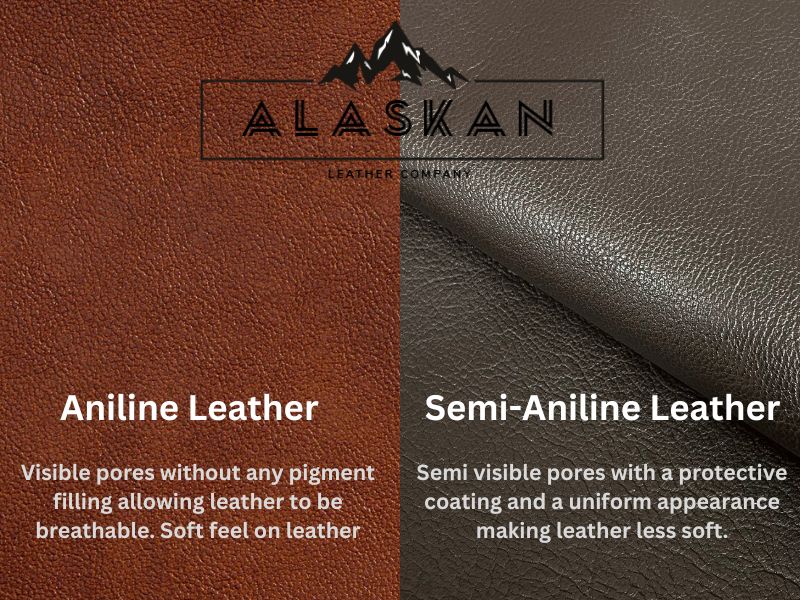
Before diving into protection methods, it’s essential to understand the type of leather your chair is made of. Leather can be broadly categorized into two main types: aniline and pigmented.
- Aniline Leather: This type of leather is known for its natural appearance and feel. It’s dyed with soluble dyes, which allows the natural grain of the leather to show through, giving it a more authentic look. However, aniline leather is more prone to stains and requires more maintenance.
- Pigmented Leather: This leather has a finish applied to the surface, which provides a layer of protection against stains and fading. It’s less expensive than aniline leather and easier to maintain but may lack the natural look and feel of aniline leather.
Cleaning and Conditioning
Regular cleaning and conditioning are crucial for maintaining the health and appearance of your leather chairs.
Cleaning
- Vacuum: Start by vacuuming the chair to remove any loose dirt or debris. Use the upholstery attachment to gently clean crevices and seams.
- Damp Cloth: For more thorough cleaning, dampen a cloth with distilled water. Wring it out so that it’s almost dry, then gently wipe down the leather. Avoid soaking the leather, as this can cause damage.
- Leather Cleaner: For tougher stains or dirt buildup, use a leather cleaner specifically designed for your type of leather. Apply the cleaner to a cloth, not directly to the leather, and gently rub the area. Always test a small, inconspicuous area first to ensure the cleaner doesn’t damage the leather.
Conditioning
After cleaning, conditioning helps to moisturize the leather, preventing it from drying out and cracking.
- Leather Conditioner: Apply a leather conditioner or leather oil to a clean cloth and gently rub it into the leather. Make sure to cover the entire surface evenly.
- Buffing: Use a clean cloth to buff the leather, removing any excess conditioner and evenly distributing it.
Protection Methods
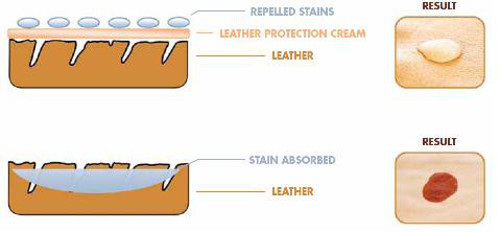
Leather Protector
Applying a leather protector provides an additional layer of defense against stains and spills. These products can be applied after cleaning and conditioning.
- Application: Follow the instructions on the product for application. Typically, you apply the protector to a cloth and then rub it into the leather.
- Frequency: Reapply the protector as recommended by the manufacturer, usually every few months, depending on use.
Waterproofing
For added protection against water and oil-based stains, consider applying a waterproofing treatment.
- Application: Similar to leather protectors, apply the waterproofing product to a cloth and rub it into the leather.
- Testing: Before applying any waterproofing product, test it on a small area to ensure it doesn’t affect the color or texture of the leather.
Maintenance Schedule

Regular maintenance is key to extending the life of your leather chairs. Here’s a basic schedule to follow:
| Frequency | Task |
|---|---|
| Weekly | Quick vacuum and dusting |
| Monthly | Damp cloth cleaning |
| Every 3 Months | Deep cleaning with leather cleaner and conditioning |
| Every 6 Months | Apply leather protector or waterproofing treatment |
Pro Tips
- Act Quickly on Spills: The sooner you clean a spill, the less likely it is to leave a stain.
- Avoid Direct Sunlight: Direct sunlight can cause leather to fade and dry out. If possible, place your leather chairs away from direct sunlight or use UV-blocking window treatments.
- Avoid Extreme Temperatures: Keep your leather chairs away from heating vents, radiators, and air conditioning units, as extreme temperatures can cause the leather to dry out or become misshapen.
- Use Leather-Friendly Products: Always use products specifically designed for leather. Household cleaners and chemicals can damage the finish and the leather itself.
Professional Help
While most maintenance can be done at home, there are times when professional help is necessary. If your leather chair suffers from deep scratches, tears, or significant staining that you’re not comfortable addressing yourself, it may be time to consult a professional upholsterer or leather repair service.
FAQ
Q: How often should I condition my leather chairs?
A: Conditioning should be done every 3-6 months, depending on the usage and environmental conditions of the chair.
Q: Can I use household cleaners on my leather chairs?
A: No, household cleaners can be too harsh for leather and may damage the finish or the leather itself. Always use cleaners specifically designed for leather.
Q: How can I prevent fading?
A: To prevent fading, keep your leather chairs out of direct sunlight and consider using UV-blocking window treatments. Regular conditioning can also help maintain the leather’s natural moisture barrier, reducing the risk of fading.
Alternative Solutions
For those looking for eco-friendly or DIY alternatives to commercial leather protectors and conditioners, consider the following:
- Coconut Oil: Can be used as a natural conditioner, but be cautious as it may darken the leather.
- Beeswax: Provides a natural barrier against water and can help condition the leather.
- Vinegar and Water: A mild solution for cleaning, but always test on a small area first.
Get Your Leather Chairs Protected
Protecting your leather chairs is a straightforward process that, with regular maintenance, can ensure they remain a comfortable and stylish part of your home for years to come. By following the steps outlined in this guide, you’ll be well on your way to extending the life of your leather furniture and keeping it looking its best.
Remember, the key to leather care is consistency and using the right products for your specific type of leather. Whether you’re dealing with aniline or pigmented leather, the principles of cleaning, conditioning, and protecting remain the same. Take the first step today, and enjoy the comfort and elegance of your leather chairs for a long time.
Have you found this guide helpful in protecting your leather chairs? Share your experiences or tips in the comments below!


