
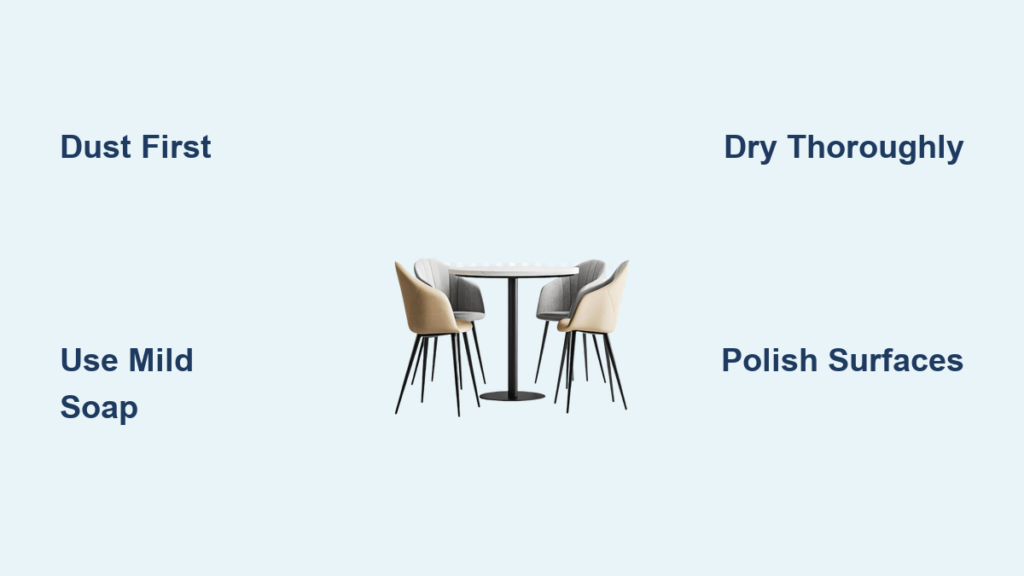
Are you tired of dealing with dirty tables and chairs that seem to accumulate stains and dirt no matter how often you clean them? Cleaning your tables and chairs regularly not only improves their appearance but also helps maintain hygiene and extend their lifespan. In this comprehensive guide, we’ll walk you through the step-by-step process of cleaning different types of tables and chairs, providing you with the knowledge and tips you need to keep your furniture looking its best.
Introduction to Cleaning Tables and Chairs
Cleaning tables and chairs is an essential part of home and office maintenance. It not only enhances the aesthetic appeal of your space but also ensures that your furniture remains durable and functional for years to come. Whether you’re dealing with wooden, plastic, metal, or glass tables and chairs, the right cleaning techniques can make all the difference. In the following sections, we’ll delve into the specifics of cleaning various types of tables and chairs, including the materials you’ll need, the steps to follow, and some valuable tips to keep in mind.
Materials Needed for Cleaning
Before you start cleaning your tables and chairs, it’s essential to gather the right materials. The specific cleaning solutions and tools you’ll need may vary depending on the type of furniture you’re cleaning, but here are some general items to get you started:
- Soft cloths or sponges
- Mild dish soap
- Warm water
- White vinegar
- Baking soda
- Wood polish (for wooden furniture)
- Glass cleaner (for glass tables)
- Metal polish (for metal chairs or tables)
- A vacuum cleaner (for upholstered chairs)
Cleaning Different Types of Tables and Chairs
Wooden Tables and Chairs
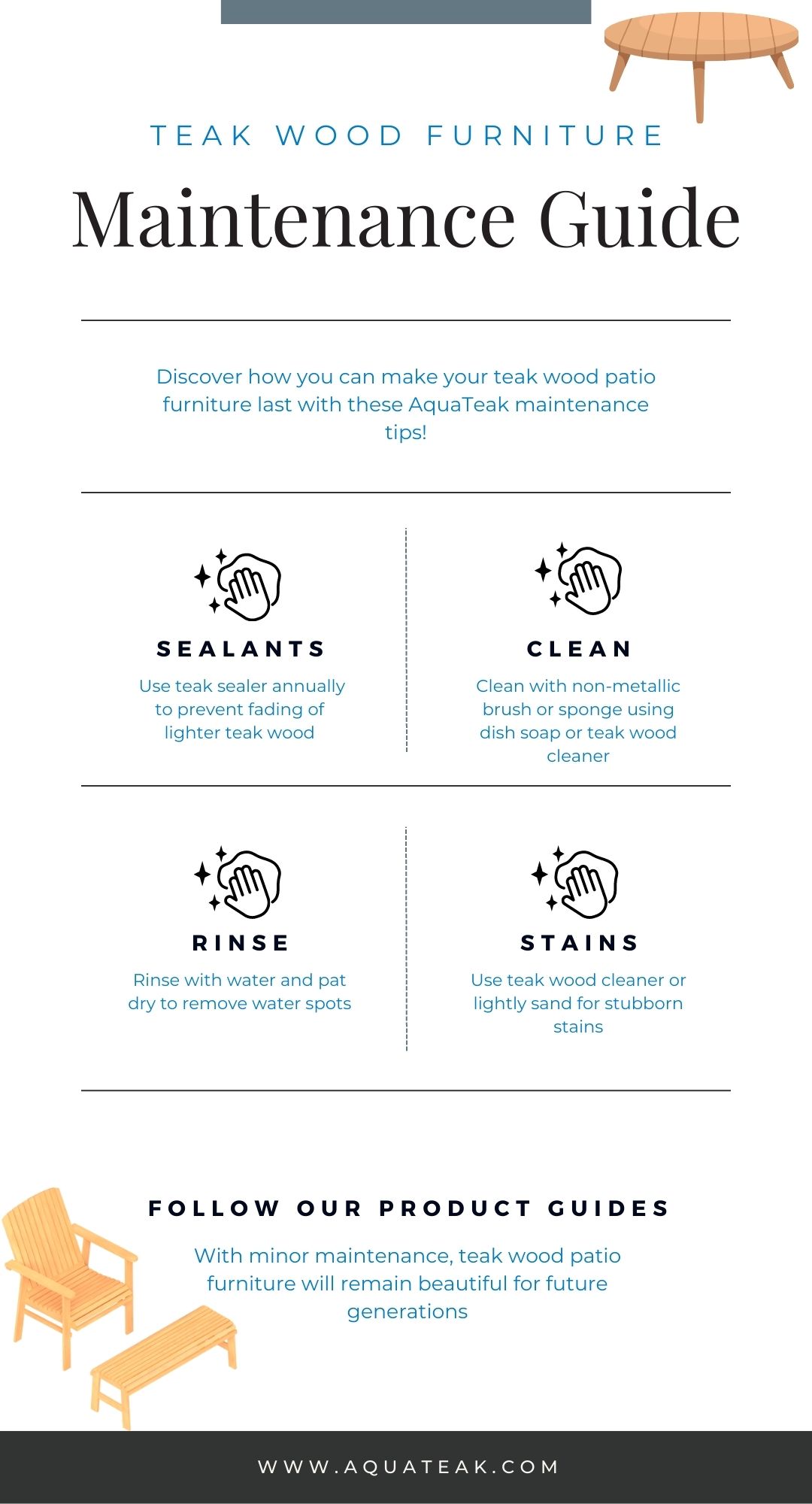
Wooden furniture can be particularly sensitive to harsh chemicals, so it’s crucial to clean it with care. Here’s a step-by-step guide on how to clean wooden tables and chairs:
- Dust Removal: Start by dusting the surface of the table and chairs using a soft, dry cloth. This will prevent scratches when you apply moisture.
- Mix Cleaning Solution: In a bowl, mix 1 tablespoon of mild dish soap with 1 quart of warm water. Dip a soft cloth into the solution, wring it out thoroughly, and wipe down the wooden surfaces. Avoid soaking the wood.
- Rinse and Dry: Use a clean, damp cloth to wipe away any soap residue. Then, dry the surface with a dry cloth to prevent water spots.
- Polish: For an extra shine and to protect the wood, apply a wood polish according to the manufacturer’s instructions.
Plastic Tables and Chairs
Plastic furniture is generally easier to clean than wooden furniture, but it still requires some care to prevent scratches and damage.
- Wipe Down: Use a soft cloth and mild soap solution (similar to the one used for wooden furniture) to wipe down the plastic surfaces.
- Rinse: If necessary, use a clean, damp cloth to remove any soap residue.
- Dry: Dry the plastic surfaces with a dry cloth to prevent water spots.
Metal Tables and Chairs
Metal furniture can be cleaned with a bit more vigor than wooden furniture, but still requires care to avoid scratches.
- Dust: Start by dusting the metal surfaces with a soft, dry cloth.
- Clean: Mix a solution of mild dish soap and warm water, and use a soft cloth to wipe down the metal. For tougher stains or grime buildup, you can use a gentle metal cleaner.
- Rinse and Dry: Use a clean, damp cloth to remove any soap residue, and then dry the metal surfaces with a dry cloth.
- Polish: For a shine, apply a metal polish according to the manufacturer’s instructions.
Glass Tables
Glass tables require careful cleaning to avoid streaks and scratches.
- Dust: Use a soft, dry cloth to remove any dust or debris from the glass surface.
- Clean: Apply a glass cleaner to a soft cloth (not directly to the glass) and wipe down the surface. Avoid using paper towels, which can leave behind lint.
- Dry: Use a dry section of the cloth to wipe away any streaks and dry the glass.
Upholstered Chairs
Upholstered chairs require a different approach, focusing on the fabric rather than the frame.
- Vacuum: Use a vacuum cleaner with a gentle suction setting to remove loose dirt and debris from the fabric.
- Spot Clean: For stains, use a clean cloth dampened with cold water to gently blot the area. Avoid rubbing, as this can damage the fabric.
- Deep Clean: If the chair requires a deeper clean, consider using a fabric cleaner specifically designed for the type of fabric your chair is made of. Always test a small, inconspicuous area first.
Tips for Regular Maintenance
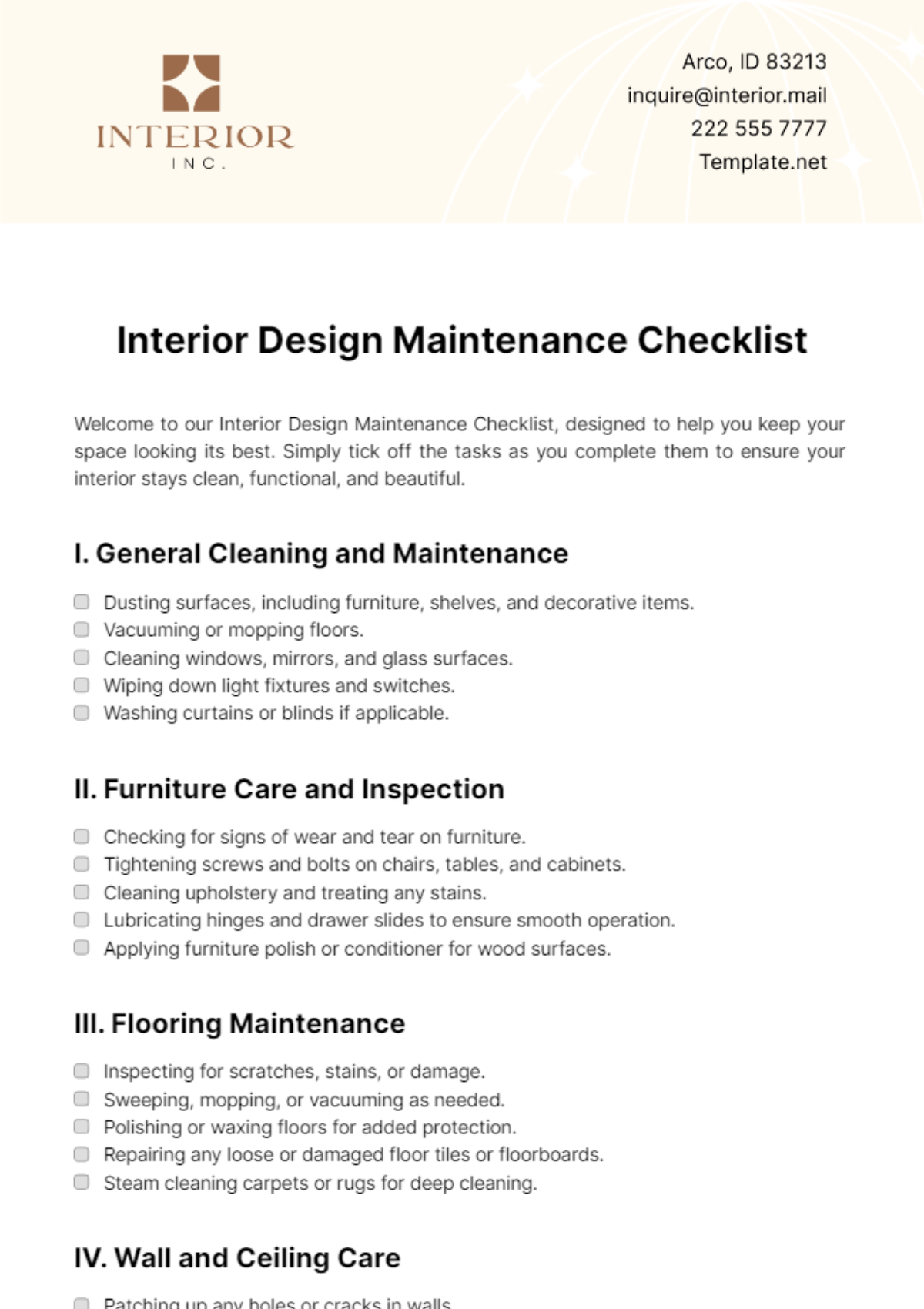
- Regular Dusting: Dust your tables and chairs regularly to prevent the buildup of dirt and grime.
- Immediate Spill Cleanup: Clean spills immediately to prevent them from becoming stubborn stains.
- Avoid Harsh Chemicals: Never use harsh chemicals or abrasive cleaners, as they can damage the surfaces of your tables and chairs.
- Protective Covers: Consider using protective covers for your tables and chairs when not in use to prevent dust and dirt accumulation.
Conclusion
Keep Your Tables and Chairs Clean and Fresh
Cleaning your tables and chairs is a straightforward process that, with the right techniques and materials, can leave your furniture looking like new. Remember to always clean gently, avoid harsh chemicals, and maintain your furniture regularly to extend its lifespan. Whether you’re dealing with wooden, plastic, metal, or glass tables and chairs, the steps outlined in this guide will help you achieve professional-looking results.
Have you found this guide helpful in cleaning your tables and chairs? Share your cleaning tips or experiences in the comments below to help others keep their furniture in top condition.


