

Your dining room shouldn’t resemble a furniture catalog spread. The most captivating spaces feature chairs and tables that look authentically collected over time—not purchased as a matching set. When executed thoughtfully, mixing dining chairs and tables creates character, accommodates budget constraints, and transforms your space into a true reflection of your personality. How to mix dining chairs and tables successfully hinges on coordination over matching: establishing intentional visual relationships between distinct pieces that share a common design language. This guide reveals exactly how to achieve that curated-yet-cohesive look without costly mistakes.
Forget the outdated rule that dining furniture must coordinate perfectly. The most dynamic dining areas emerge from deliberately mismatched pieces that create depth impossible with uniform sets. Mixing allows you to invest in a quality table while strategically sourcing affordable chairs, or to showcase heirloom pieces alongside modern finds. Crucially, each chair must pass the “stand-alone test”—if it looks beautiful in your living room or entryway, it earns its place at your table. Chairs that only function as part of a set create visual dependency that undermines your curated aesthetic.
Ditch Matching Sets for Intentional Curation
Purchasing complete dining sets guarantees visual monotony and limits your design expression. Instead, build your dining area piece by piece with purpose. Start by selecting a table that anchors your style direction—whether it’s a rustic farmhouse piece or a sleek modern design. This becomes your visual foundation. Then choose chairs that complement rather than replicate it. The secret lies in identifying unifying elements like consistent wood undertones, shared color accents, or parallel design lines. For instance, a walnut table pairs beautifully with teak chairs because both share warm undertones, even though their grains differ. Remember Maria Killam’s “pretty chair test”: if a chair stands alone as a beautiful object in any room, it belongs at your table.
Why mismatched sets create better spaces
- Generates visual rhythm through varied chair heights and silhouettes
- Allows gradual room evolution as your style matures
- Creates conversation-starting focal points with statement chairs
- Accommodates different comfort needs (upholstered vs. wood seating)
Master Wood Tone Coordination

Wood mixing makes or breaks mixed dining sets. Successful combinations focus on undertone harmony rather than identical finishes. Warm woods (walnut, cherry, teak) work together seamlessly, as do cool woods (maple, ash, birch). Never force a warm wood table with cool wood chairs—they’ll clash like oil and water. The finish sheen matters equally: matte tables need matte chairs, glossy tables require glossy finishes. When mixing multiple wood pieces, let your table dominate visually while chairs play supporting roles. For challenging combinations, bridge the gap with a single leather-accented chair that echoes both wood tones.
Proven wood pairing formulas
- Rustic refinement: Distressed pine table + smooth walnut side chairs
- Light-dark balance: Maple table + dark oak chairs (30% darker)
- Warm harmony: Walnut table + teak chairs with matching amber undertones
Balance Visual Weight and Shape
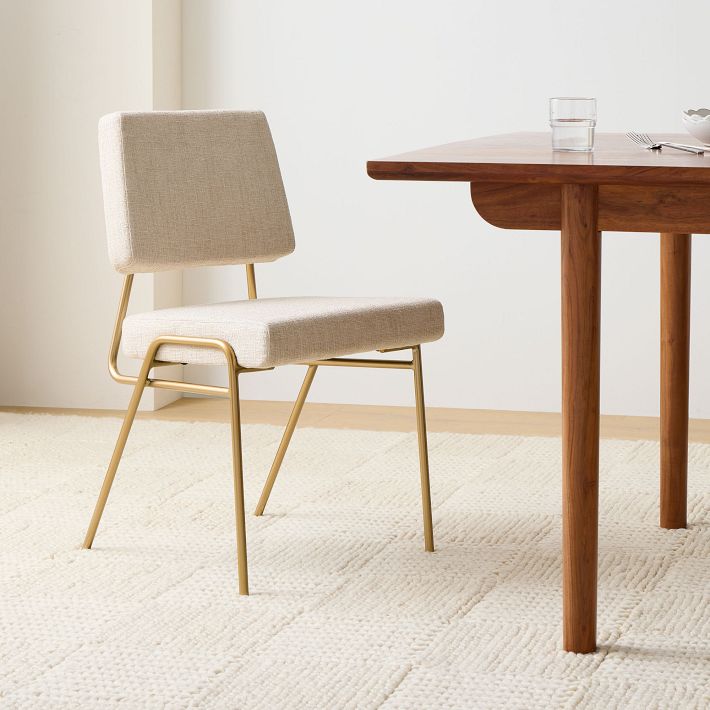
Your dining set’s visual weight distribution prevents top-heavy or disjointed appearances. Pair substantial pieces (like upholstered armchairs) with delicate designs (wire-frame chairs) for dynamic contrast. Avoid “almost matching” leg details—slightly different tapered legs create accidental discord. Instead, choose dramatically different styles or near-identical ones. Table shape dictates your mixing flexibility: rectangular tables welcome varied seating, while round tables require consistent chair styles for visual flow. Oval tables offer middle ground—use curved chairs at ends and straight-backed chairs along sides.
Shape mixing rules for your table type
- Rectangular tables: Alternate curved-back and straight-backed chairs
- Round tables: Stick to one chair style (mixing creates visual chaos)
- Oval tables: Place armchairs at ends with uniform side chairs
Apply Scale and Proportion Formulas

Size relationships trump exact measurements. Follow the 24-inch rule: allow two feet of table edge per chair. Maintain 12 inches between chair seat height and table underside for comfortable knee clearance. In small spaces, limit materials to two (wood + metal or wood + fabric) and choose chairs with exposed legs to maximize visual space. For open-concept homes, echo visible elements from adjacent areas—like matching your dining chair metal to kitchen counter stools. When adding benches, place them on one side of rectangular tables for flexible seating that accommodates extra guests without visual heaviness.
Space-specific solutions
- Small dining areas: Use slipcovered chairs in one fabric for cohesion
- Open-plan homes: Repeat metal finishes between kitchen stools and dining chairs
- Large rooms: Add two statement armchairs at table heads for defined hierarchy
Style Integration Techniques That Work
Monochromatic unification
Paint all chairs black or white to unify wildly different styles—from Victorian carvings to modern acrylic. This single-color approach creates sophisticated cohesion while allowing shape variation. Black leather chairs around a black table work whether they’re mid-century reproductions or antique finds.
Strategic color accents
Select one bold color (navy, emerald, or terracotta) and repeat it across seating. Use this hue on chair cushions, painted chair frames, or upholstery. This creates intentional unity without matchy-matchy repetition. A walnut table becomes the perfect neutral backdrop for chairs featuring your signature color.
Historical contrast
Combine antique table shapes with contemporary chair interpretations. A Victorian pedestal table gains modern relevance with transparent acrylic ghost chairs. The key is maintaining consistent scale—don’t pair a massive farmhouse table with dainty bistro chairs.
Budget-Friendly Update Strategies
Transform your dining area without replacing everything. Swap only the two end chairs for maximum impact with minimal investment—they’re the most visible seats. Paint mismatched wooden chairs the same color (like matte black) for instant cohesion. Add tie-on cushions in seasonal fabrics to refresh existing chairs. Incorporate a bench on one side for flexible seating that accommodates fluctuating guest numbers. Thrift stores yield quality vintage chairs with better proportions than new furniture—look for solid wood frames that can be reupholstered or painted.
Quick fixes with big impact
- Replace just the chair cushions with performance fabric for durability
- Add nailhead trim to plain chairs for instant sophistication
- Use chair leg caps to unify different wood tones temporarily
Specific Combinations That Always Work
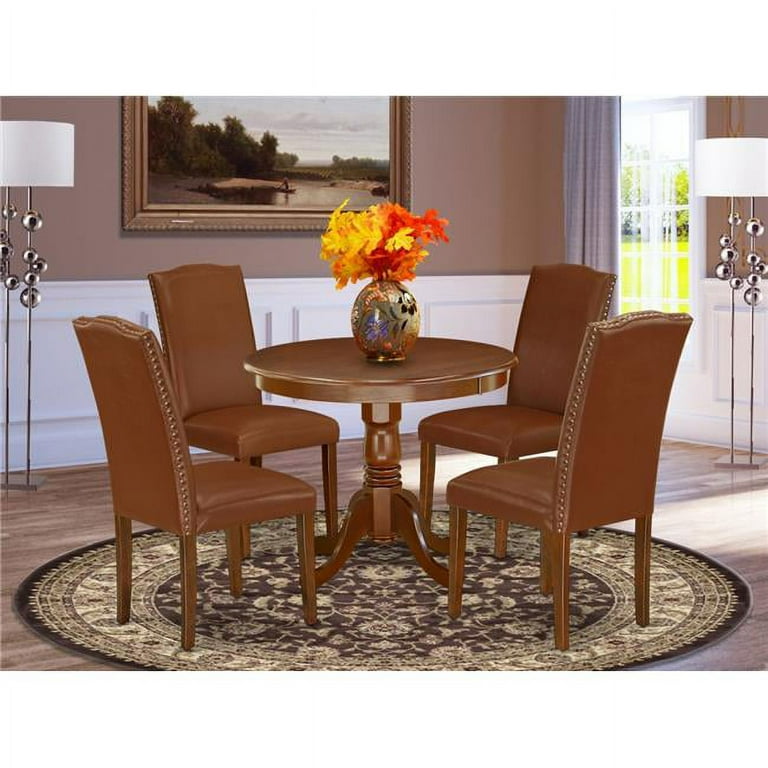
Rustic + Refined: Reclaimed wood farm table with sleek leather Parsons chairs
Modern + Traditional: Glass-top table with vintage bentwood Thonet chairs
Coastal + Industrial: White pedestal table with black Tolix metal chairs
Bohemian + Minimal: Dark wood table with colorful mismatched vintage chairs
For formal occasions, use upholstered armchairs at table heads with simpler wooden chairs along the sides. This creates hierarchy without uniformity. Around rectangular tables, alternate chair styles every other seat for rhythmic visual interest.
Avoid These Mixing Disasters
Skip these common pitfalls that ruin mixed dining sets. Never combine more than three competing wood tones without a unifying element like consistent upholstery color. Avoid “leg chaos” where each chair has dramatically different legs—especially around round tables. Don’t use oversized chairs with petite tables; they’ll visually overwhelm the space. Most importantly, if removing the table makes your chairs look randomly assembled, rethink your selections. Round tables are particularly unforgiving—stick to one chair style to maintain their circular flow.
Red flag checklist
- Chair legs look similar but not identical (creates visual tension)
- Too many materials competing in small spaces (wood + metal + rattan + plastic)
- Dramatically different chair back heights creating a “skyline effect”
- Chairs requiring vastly different maintenance routines
Step-by-Step Shopping Strategy
Start with your table as the anchor piece—it sets the color palette and style direction. Choose two statement chairs for table ends; these can be bold upholstered or uniquely shaped pieces. Then select simpler side chairs that complement but don’t compete with your end chairs. Finally, add one flexible piece like a bench or stool that echoes an existing material. Always evaluate chairs away from the table—if they look beautiful alone, they’ll work in your mix. In open-concept spaces, ensure visible kitchen stools share at least one material with your dining chairs for seamless flow.
Critical evaluation steps
- Stand ten feet back: Does the arrangement look intentionally curated?
- Check individual beauty: Would each piece stand alone in another room?
- Test comfort: Sit in all chair types for 10 minutes minimum
- Verify balance: No side should feel heavier or more ornate
Final note: The most successful mixed dining sets tell your personal story—perhaps your table came from your grandparents, end chairs are flea market treasures, and side chairs are modern reproductions. This approach creates spaces that feel authentically lived-in rather than showroom-perfect. When how to mix dining chairs and tables becomes about intentional curation rather than forced matching, you create a dining area that’s uniquely yours, evolves with your life, and welcomes guests with genuine warmth. Start with just one statement chair today, and let your collection grow with meaning over time.


