

Your kitchen island feels like a no-man’s-land while your dining area sits half-empty. Guests perch awkwardly on barstools at 42-inch counters while others crowd around 30-inch tables. This disconnect isn’t about your layout—it’s about mismatched seating. When counter stools and dining chairs clash, your space feels accidental instead of intentional. But blend them correctly, and you’ll create seamless flow between cooking and dining zones. This guide reveals exactly how to mix counter stools and dining chairs so your kitchen functions like a designer’s dream—not a furniture showroom disaster.
Counter Height vs. Dining Height: The Non-Negotiable Math
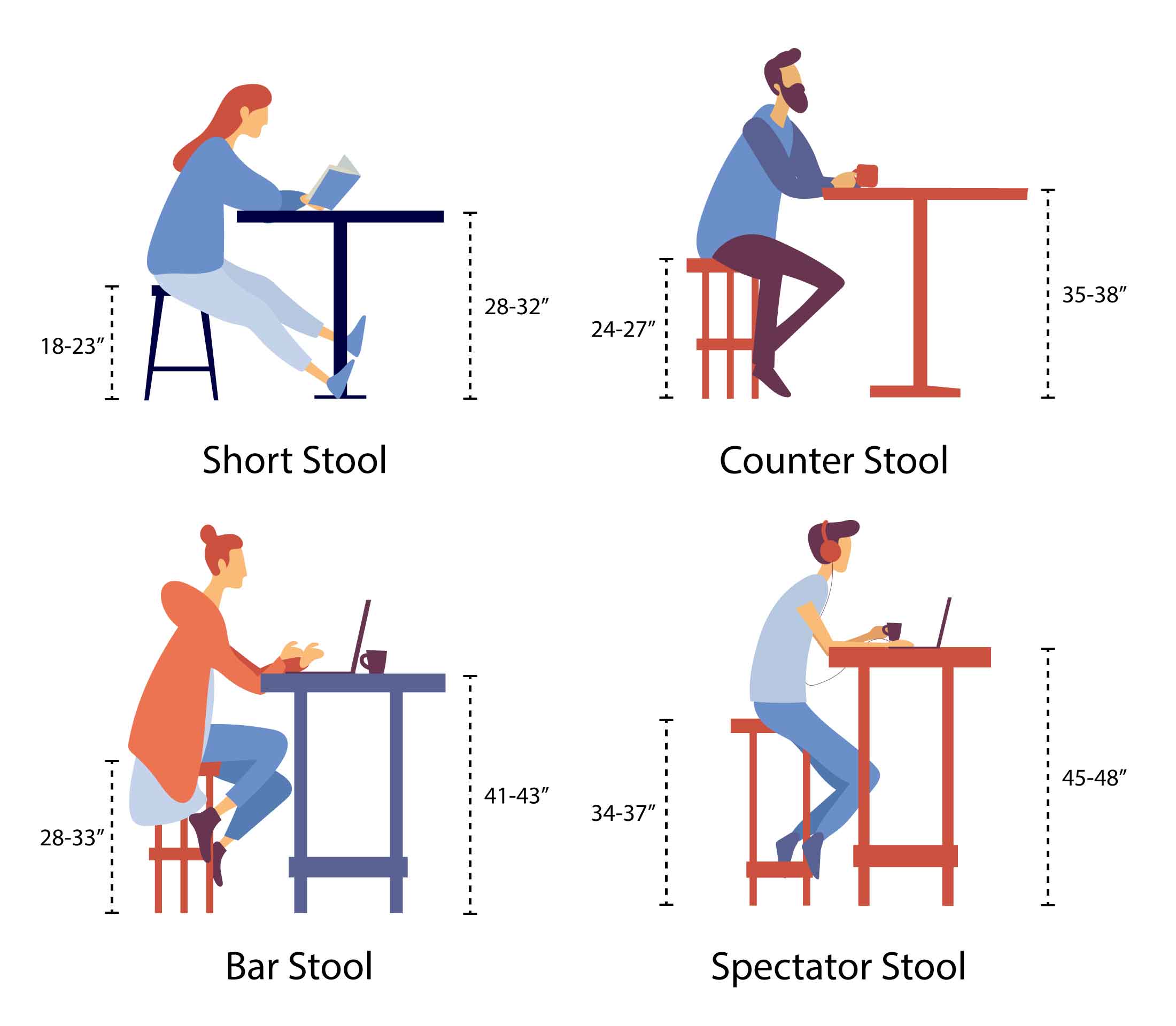
Measure Twice, Buy Once
Your counter’s height dictates everything. Standard kitchen counters sit at 36 inches—requiring stools with 24-inch seat heights (23–28″ range). Bar-height counters at 42 inches need 30-inch stools (29–32″ range). Dining tables? They’re consistently 30 inches tall. Here’s the critical rule: Always measure from the counter’s underside, not the top. Subtract 12 inches for proper knee clearance—less causes slouching, more creates perching discomfort. An 8-foot island with standard 6-inch legs gives you 7 feet of usable space. That means exactly three stools at 24 inches each. Squeeze in a fourth, and guests will constantly bump knees during meals.
Traffic Flow Fixes for Tight Spaces
Behind stools, maintain 36 inches of clearance for comfortable movement. In galley kitchens, opt for backless stools that tuck fully under counters—freeing up 6 extra inches of walkway space. For homes with kids or mobility needs, consider adjustable-height stools (like Tovin models) that accommodate both counter and bar heights. Place painter’s tape on your floor marking 24-inch seating zones—this reveals instantly if your island can handle three stools without cramping movement.
Comfort-Driven Material Choices That Survive Daily Life
Backed vs. Backless: Strategic Placement
Skip the “all-or-nothing” approach. Place backed stools where meals happen (like island ends facing the dining area) for proper posture during extended seating. Use backless stools along the cooktop side—they swivel out of the way during food prep and tuck completely under counters. Designer Emily Henderson swears by this hybrid: “Backs create dining zones; backless keeps workspaces fluid.” In open-plan homes, ensure stool backs align visually with dining chair spines when viewed from living areas—this creates intentional sight lines instead of haphazard clutter.
Spill-Proof Fabrics That Don’t Sacrifice Style
Forget velvet or linen near sinks and stovetops. Choose laminated chintz—a high-end fabric with invisible matte film protection that wipes clean instantly. For heavy-use zones, top-grain leather or performance fabrics (like Sunbrella) resist stains while aging beautifully. Flat-weave textiles outperform plush upholstery in kitchens; reserve cushioned seats for dining chairs in lower-traffic corners. Pro tip: Spray vintage wooden stools with matte-finish polyurethane before reupholstering—they’ll withstand juice spills and sticky fingers without losing character.
Style Mixing Formulas That Look Intentional

Four Designer-Approved Combinations
Match materials, vary tones: Pair light oak dining chairs (like Middleton side chairs) with espresso walnut counter stools. The shared wood grain creates cohesion while the contrast adds depth. Match shapes, switch colors: Use identical curved-back silhouettes in black metal (Wellfleet stools) and natural wood (Geller chairs). Match upholstery, mix styles: Cover both seating types in navy performance fabric—mid-century dining chairs beside transitional counter stools. Match styles, rotate textures: Modern frames in leather (Venn stools), woven rattan (Rue chairs), and molded plastic maintain a cohesive aesthetic through form.
Visual Weight Balancing Act
Bulky counter stools demand proportional dining chairs. Pair chunky Wellfleet woven stools with substantial Beckett dining chairs—not delicate Parsons styles that look overwhelmed. In open-concept spaces, step back 10 feet and view your seating ensemble as a single composition. If stools and chairs create “visual noise,” introduce a unifying element: matching metal legs (antique brass on both), repeating wood tones, or identical cushion colors. This transforms accidental groupings into curated vignettes.
Real-World Zone Separation Tactics
Rug and Lighting Coordination
Place an oval rug under your dining table but leave island seating on bare floors—this instantly defines zones without walls. Choose rug patterns that echo stool shapes: bucket seats pair with curved organic motifs; angular stools work with geometric rugs. Match pendant light finishes to stool hardware: brass fixtures over islands demand brass stool legs. Crucially, limit metal finishes to two maximum—distribute them evenly (e.g., brass on light fixtures/stool legs, black iron on dining chairs/cabinet pulls). This prevents chaotic “finish soup” in sight lines.
Sight-Line Testing You Must Do
Before finalizing purchases, photograph your kitchen from key vantage points: the living room sofa, entryway, and dining table. Overlay stool and chair mockups using apps like RoomPlanner. If the seating ensemble looks disconnected in these shots, adjust your formula. For modern-traditional spaces, pair YNGVAR counter stools with KISSA dining chairs—their clean lines and neutral leathers create harmony across heights. In organic setups, Emery wood stools and Zoey caned chairs share relaxed textures that bridge counter and table zones.
Critical Mistakes That Ruin Mixed Seating
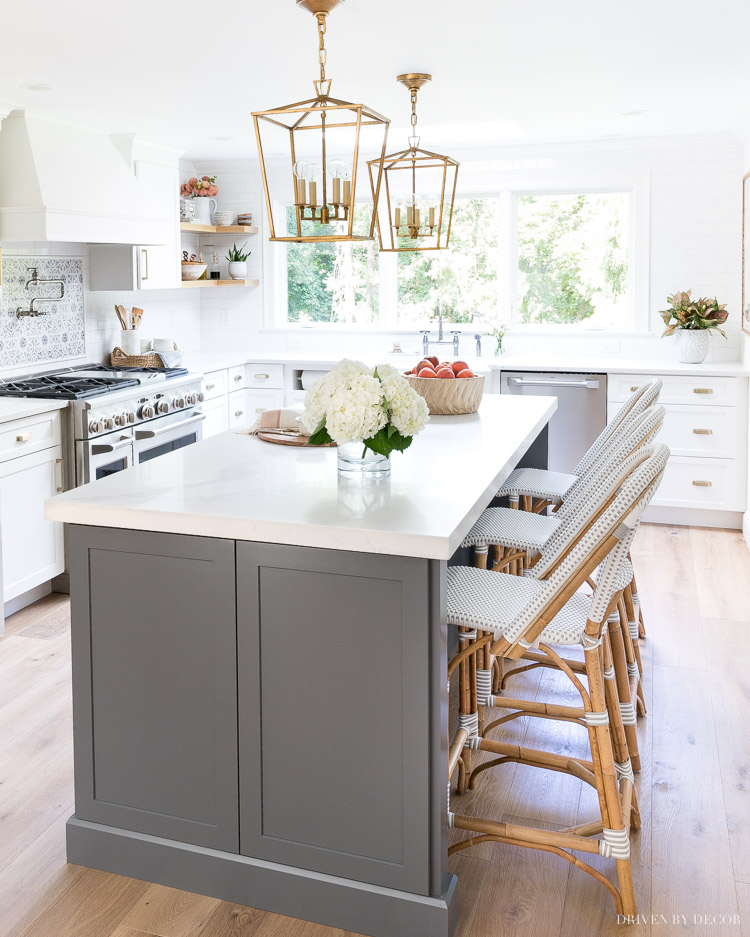
Height Confusion Fix
Most mistakes start with measuring counter tops instead of undersides. A 42-inch bar counter requires 30-inch stools—not standard 24-inch counter stools. Tape a ruler to your counter’s edge: if the seat height doesn’t leave 12 inches of knee space, walk away. For 36-inch counters, test stools by sitting at them—if your knees hit the cabinet, the seat’s too high.
Formality Mismatch Solution
Formal dining chairs visible from casual islands create cognitive dissonance. Soften the disconnect by:
– Choosing dining chairs with slightly lower backs than stools
– Using identical cushion fabrics across both seating types
– Placing a console table between zones as a visual buffer
When in doubt, opt for armless dining chairs (like Salduro models) that feel equally at home in casual and formal settings.
Your 5-Step Action Plan
- Measure accurately: Record counter underside height (not top) and subtract 12″ for stool seat height. Mark 24″ per seat zone with painter’s tape.
- Choose your anchor: Pick one unifying element—wood tone, metal finish, or upholstery color—to thread through both seating types.
- Test sight lines: Photograph your space from living areas; ensure stools and chairs look deliberate, not random.
- Source strategically: Check retailer dropdown menus—many styles (like Wellfleet) come in both counter and dining heights.
- Zone with purpose: Place rugs under dining tables only, and match pendant finishes to stool hardware.
Pro tip: Reupholster budget dining chairs in luxury fabric ($230/yd designer textiles transform $350 frames). A single yard covers most counter stools—use leftover fabric for dining chair cushions to tie everything together.
Mixing counter stools and dining chairs succeeds when you treat them as complementary puzzle pieces—not competing elements. Anchor your design with one consistent thread (material, color, or shape), then vary everything else thoughtfully. The result? A kitchen that flows effortlessly from coffee prep to dinner parties—where every seat feels like it belongs exactly where it is. Your guests won’t notice the seating heights—they’ll just feel perfectly comfortable moving between zones.


