
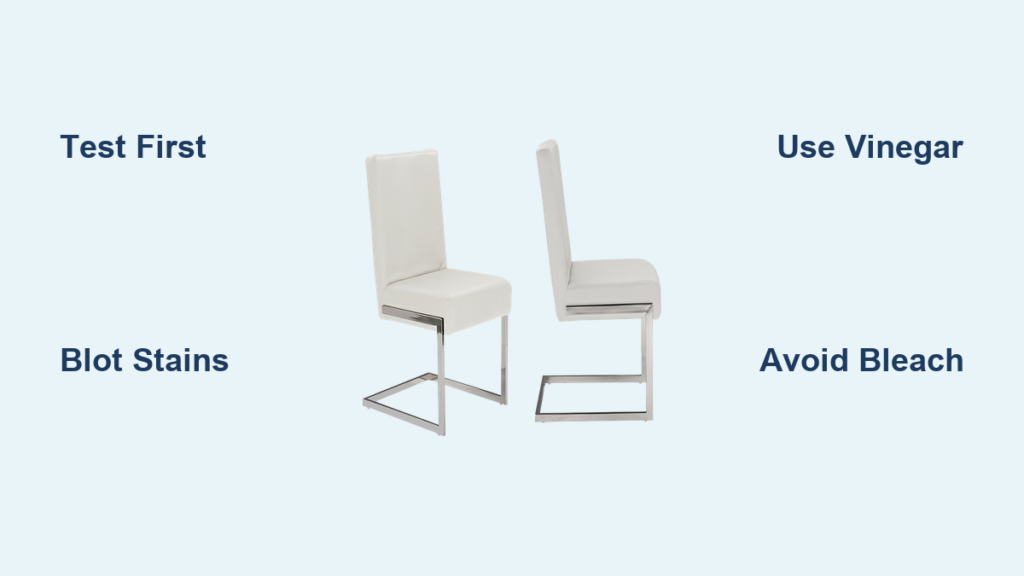
White pleather chairs instantly elevate your space with their sleek, modern appeal—until body oils from your hair transfer onto the headrest or blue jeans leave permanent-looking streaks across the seat. Within weeks, these pristine white surfaces become magnets for coffee spills, ink marks, and stubborn dye transfers that make your furniture look neglected. The good news? You can restore showroom shine to your white pleather chairs using household items and proven techniques that won’t cause cracking or yellowing. This guide delivers exact methods to eliminate everything from fresh ink spills to deep-set mold, with clear timelines and safety checks so you never accidentally ruin your investment.
Unlike genuine leather, white pleather’s plastic-based coating is uniquely vulnerable to harsh chemicals and improper techniques. One wrong move with bleach or ammonia can permanently stain the surface yellow or strip its protective layer. But with the right approach—starting with identifying your chair’s exact material composition and stain type—you’ll achieve professional results without expensive services. Let’s dive into the precise cleaning system that keeps white pleather looking flawless.
Essential Supplies for Safe White Pleather Cleaning
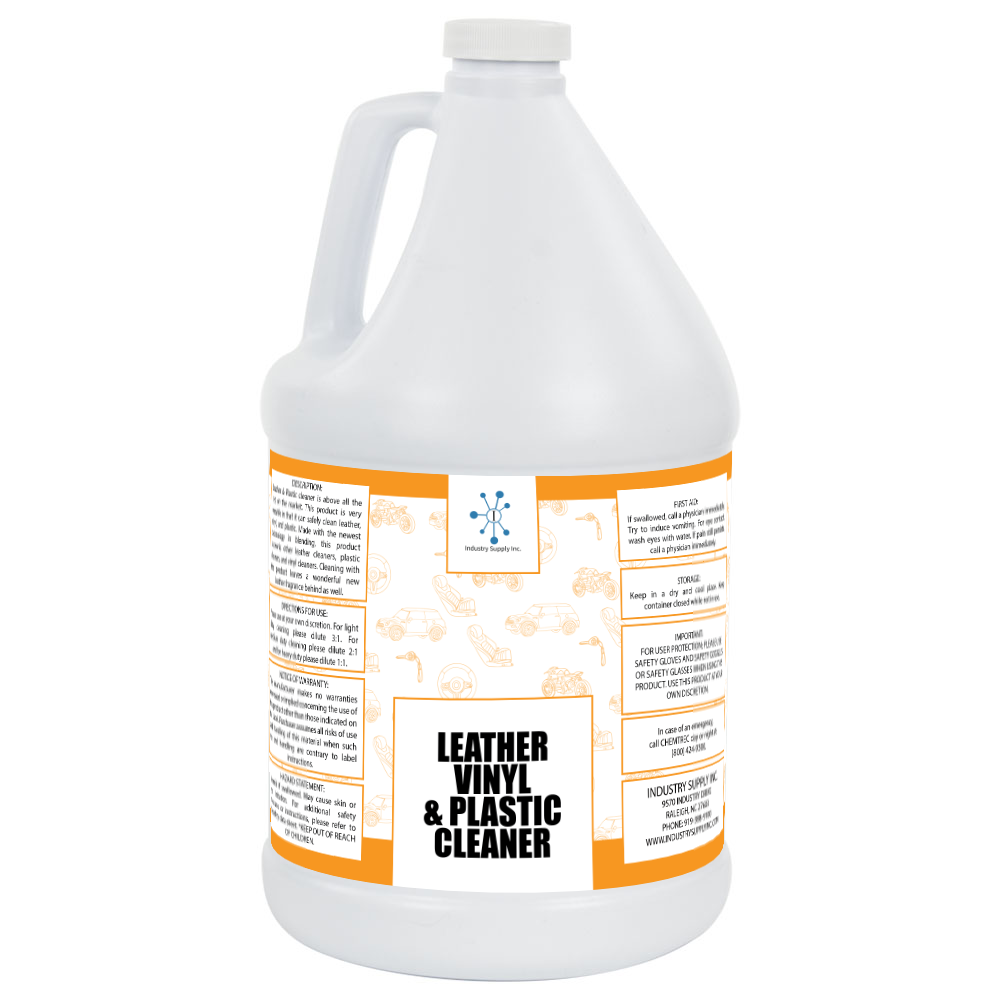
Must-Have Cleaning Solutions (Tested for White Surfaces)
pH-neutral dish soap like Dawn Original: Breaks down body oils without stripping the plastic coating. Avoid citrus or degreaser formulas that cause yellowing.
Distilled white vinegar (5% acidity): Neutralizes odors and lifts discoloration without bleaching—critical for white surfaces where chemical reactions show instantly.
70% isopropyl alcohol: Removes denim dye transfer without fading the base color. Higher concentrations dry out pleather, while lower ones won’t lift stains.
Aluminum-free baking soda: Absorbs grease from recent spills without scratching the delicate surface.
Tools That Prevent Scratches on Light-Colored Surfaces
- 300+ GSM microfiber cloths (never paper towels): Their ultra-fine fibers lift dirt without leaving lint or abrasions visible on white pleather.
- Natural-bristle toothbrush: Soft enough for textured seams but firm enough to dislodge grime in tufted areas.
- Cotton swabs: Essential for precision cleaning around zippers and piping where stains concentrate.
Pro Tip: Keep a dedicated “white-only” kit—using the same cloth on dark furniture first transfers dye that ruins light surfaces.
Pre-Cleaning Inspection: Stop Stains Before They Set
Identify Stain Types in Under 60 Seconds
Examine problem areas with a flashlight to determine your attack strategy:
– Blue streaks? = Denim dye transfer (requires alcohol treatment).
– Yellowish halo? = Body oil (needs baking soda absorption).
– Dark spots? = Mold (demands vinegar disinfection).
– Sharp outlines? = Ink (alcohol swab immediately).
Critical: Check manufacturer tags for cleaning codes—W (water-safe), S (solvent-only), or X (professional cleaning required).
The 24-Hour Patch Test That Saves Your Chairs
Skipping this risks irreversible damage:
1. Find hidden spot under the seat cushion or back panel.
2. Apply dime-sized amount of your chosen solution (e.g., vinegar mix).
3. Wait 24 hours—if white pleather yellows, develops cracks, or loses sheen, switch formulas.
Never proceed without passing this test—white surfaces show chemical reactions faster than darker colors.
Daily Cleaning Routine: 5 Minutes to Prevent Permanent Stains
Immediate Spill Response Protocol
Blot—not rub—fresh spills within 10 seconds:
1. Press paper towel firmly for 15 seconds to absorb liquids.
2. Sprinkle baking soda on greasy spills, wait 20 minutes, then vacuum with brush attachment.
3. Wipe with microfiber cloth dampened in 2 drops dish soap + 2 cups water (wring until barely damp).
Warning: Over-wetting causes water rings on white pleather—always use the “damp, not wet” rule.
Dust Removal That Avoids Scratches
- Dry method: Wipe with folded microfiber cloth using downward strokes with the pleather grain.
- Vacuum method: Use low suction + soft brush attachment on seams only (high suction pulls fibers).
Do this every 2 days—dust buildup on white surfaces creates a hazy film that attracts deeper stains.
Deep Stain Removal: Denim Dye, Ink & Oil Fixes
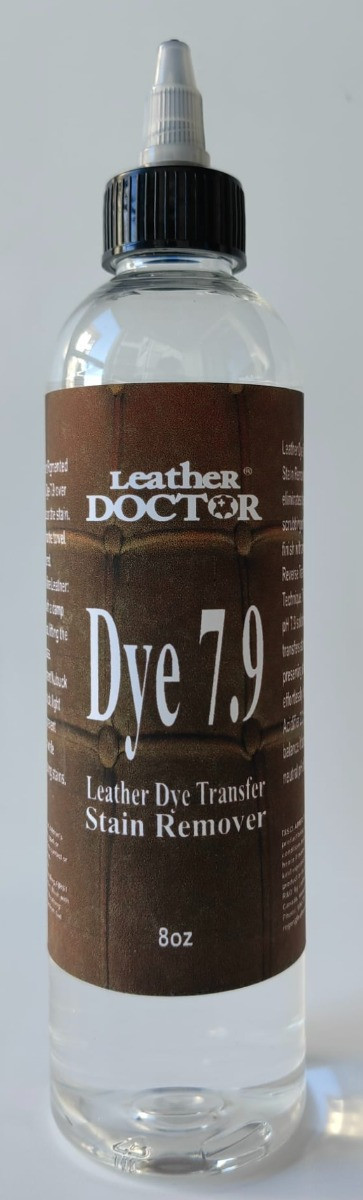
Erase Blue Jean Transfer in 3 Steps
Act within 24 hours for best results:
1. Test alcohol on hidden area (some dyes spread if mishandled).
2. Dab cotton ball soaked in 70% isopropyl alcohol in one direction only along the transfer line.
3. Rinse immediately with water-dampened cloth to prevent alcohol drying.
Stop if color bleeds—older transfers may need 2-3 treatments.
Ink Stain Emergency Protocol
- Fresh ink: Blot with paper towel, then roll alcohol-soaked cotton swab toward the stain to lift ink outward.
- Dried ink: Apply alcohol, wait 5 minutes, gently scrape residue with cotton swab tip.
Never scrub—this grinds ink deeper into white pleather’s porous surface.
Yellowing & Mold Solutions That Actually Work
Reverse Sun Damage Discoloration

1. Spray equal parts vinegar + water on affected areas (avoid oversaturation).
2. Place chair in indirect sunlight for 2 hours—UV activates vinegar’s brightening effect.
3. Wipe residue with clean water cloth after 30-minute intervals.
Prevent recurrence: Apply 303 Aerospace Protectant monthly—blocks UV rays without greasy residue.
Kill Mold Without Damaging White Surfaces
Wear N95 mask and gloves:
1. Dry-brush visible mold with soft toothbrush.
2. Spray undiluted vinegar and wait 60 minutes (kills spores).
3. Wipe with vinegar-dampened microfiber cloth using circular motions.
4. Dry for 24 hours with fan airflow—never direct heat (causes cracking).
Critical Mistakes That Ruin White Pleather
Chemicals That Cause Permanent Yellowing
- Bleach: Instantly oxidizes plastic coating into yellow stains.
- Ammonia-based cleaners: Breaks down white pleather’s top layer within days.
- Abrasive scrubs: Creates micro-scratches that trap dirt, making chairs look dingier faster.
Technique Errors to Avoid
- Rubbing stains → spreads discoloration (always blot or dab).
- Skipping patch tests → 80% of “unfixable” stains come from untested cleaners.
- Sun-drying wet chairs → causes water rings and accelerates UV damage.
Monthly Maintenance Plan for Lasting Brightness
The 10-Minute Refresh Cycle
- Inspect for new stains under bright light.
- Wipe high-touch areas (armrests, seat edges) with soap-water solution.
- Treat problem spots immediately using stain-specific methods.
- Condition with Lexol Vinylex to prevent drying cracks.
Storage Protocol for Off-Season Chairs
- Clean thoroughly and dry for 48 hours.
- Cover with 100% cotton sheet (plastic traps moisture causing mildew).
- Elevate 6+ inches off floor in climate-controlled space (30-50% humidity).
When to Call a Professional
DIY efforts fail for:
– Large mold infestations (requires industrial-strength biocides).
– Vintage pleather (thin coatings tear easily).
– Warranty-covered chairs (brands like La-Z-Boy void coverage for DIY cleaning).
Cost range: $75-$150 per chair—worth it when one mistake costs $300+ in replacements.
Final Takeaway: White pleather chairs stay pristine with consistent, gentle care—not aggressive scrubbing. Tackle stains within 10 minutes using the right solution for the specific contaminant, always test first, and block UV exposure to prevent yellowing. By following this system, your white pleather chairs will maintain their crisp, modern look for years, proving that light-colored furniture can be practical when you know its unique needs. Keep your emergency kit (microfiber cloths, vinegar spray, alcohol) nearby—because with white pleather, speed is your strongest ally against permanent stains.


