

That plush, light-catching texture makes velvet chairs irresistible statement pieces—but one spilled glass of red wine or pet hair tumble can trigger panic. Unlike standard upholstery, velvet’s delicate pile traps debris and reacts unpredictably to moisture, turning simple spills into permanent disasters if mishandled. Knowing exactly how to clean velvet chairs saves heirloom antiques and modern investments alike from irreversible crushing, fading, or water rings. This guide cuts through the confusion with field-tested methods tailored to your specific fabric type, transforming daunting stains into quick victories.
Identify Your Velvet Type Before Touching Cleaning Supplies
Spotting Natural vs. Synthetic Fibers in 60 Seconds
Your chair’s survival hinges on correctly identifying its fibers before applying any liquid. Natural velvets (cotton or silk) absorb water like a sponge, causing irreversible shrinkage and color bleeding, while synthetics (polyester, nylon, micro-velvet) tolerate gentle moisture. Skip guesswork with this foolproof test: pull a single thread from an inconspicuous seam, drop it into water, and watch. Sinks within 10 seconds? You’re dealing with fragile natural fibers requiring solvent-only cleaning. Floats stubbornly? Synthetic fibers allow safer steam or foam methods. Micro-velvet and crushed velvet are always synthetic—making them the most DIY-friendly options.
Matching Cleaning Tactics to Your Fabric’s Weaknesses
- Cotton/silk velvet: Only use perchloroethylene-based solvents—water causes permanent watermarks
- Polyester/nylon: Steam cleaning permissible if you maintain 6-inch distance from fabric
- Crushed velvet: Tolerates brief steam bursts but never hot water extraction
- Micro-velvet: Machine-wash removable covers on gentle cycle with cold water
Stop Vacuuming Velvet Chairs Wrong to Prevent Pile Damage
:max_bytes(150000):strip_icc()/vacuum-attachment-chart-1-940813e61a5346bb88e4145ac5b8b2f2.jpg)
The Low-Suction Vacuum Technique That Actually Works
Standard vacuum settings shred velvet’s delicate fibers, creating bald spots within weeks. Always use the lowest suction setting with a soft-bristle upholstery attachment—not the beater bar. Move slowly with the nap direction (the way fibers naturally lie) using overlapping 4-inch strokes. This removes surface dust without grinding dirt deeper. For high-pile vintage pieces, skip the vacuum entirely and use a dedicated velvet brush with natural bristles—its gentle action lifts debris without crushing.
Brushing Secrets to Maintain That Signature Shine
Weekly brushing isn’t optional—it’s what keeps velvet looking expensive. Always brush against the nap first to dislodge embedded crumbs, then finish with the nap direction for that uniform lustrous finish. Use only horsehair or bamboo brushes; synthetic bristles create static that attracts more dirt. Focus on crevices where crumbs accumulate, like seat seams and armrest curves. This 2-minute ritual prevents matting and extends deep-cleaning intervals by 6+ months.
Neutralize Spills Within 30 Seconds to Avoid Permanent Stains
The Blotting Method That Won’t Spread Wine or Coffee
When accidents happen, never grab paper towels—their rough texture shreds velvet. Instead, press white microfiber cloths straight down (no rubbing!) using 5-second pressure intervals. Work outward from the spill’s edge to contain it, rotating to clean cloth sections every 2-3 blots. For sticky substances like syrup, sprinkle cornstarch immediately to absorb residue before blotting. This technique works for 95% of fresh spills without further treatment.
Build a Velvet-Specific Spill Kit for Lightning-Fast Response
Keep this basket near velvet seating:
– 6+ white microfiber cloths (lint-free to prevent fiber damage)
– Cornstarch in a shaker jar (for oil/organic spills)
– Spray bottle with distilled water (prevents mineral deposits)
– Dawn Original dish soap (ph-neutral for fabric safety)
Deep Clean Velvet Chairs Without Crushing the Pile
Dry Cleaning Method for Silk and Antique Velvet Chairs
This is the only safe approach for natural fibers—water destroys silk’s structure. After testing solvent on a hidden seam, apply perchloroethylene solution to a white cloth (never directly to fabric). Work in 2-inch sections using feather-light circular motions, immediately blotting with a dry cloth. While still damp, brush fibers upright with a velvet brush. Crucial: Allow 8+ hours of airflow—no fans or heat—before use. Rushing drying causes stiff, matted patches.
Steam Cleaning Synthetic Velvet Without Water Spots
Only attempt on polyester/nylon with a 1000+ watt steamer filled with distilled water. Hold the nozzle 6 inches away to prevent scalding, making slow horizontal passes. Immediately follow steam with a velvet brush in one direction to lift pile. If colors bleed or fabric shrinks, stop instantly and switch to dry cleaning. Post-cleaning, dry with a cool fan for 4 hours—heat sets any residual moisture into rings.
Eliminate Stubborn Stains with Targeted Solutions
Wine and Coffee Stains That Refuse to Budge
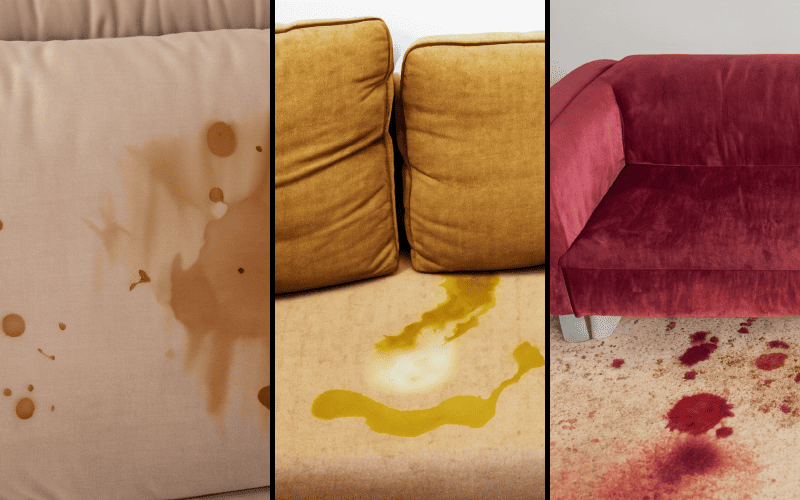
For set-in organic stains, mix 1 part 3% hydrogen peroxide with 3 parts water. Test on a seam, then apply only to the stain with a cotton swab. Wait 2 minutes, then blot. Never saturate—velvet holds moisture like a sponge. If residue remains, sprinkle baking soda, wait 15 minutes, and vacuum before reapplying. Repeat max 3 times; further attempts risk fiber damage.
Grease and Makeup Stains That Resist Blotting
Oil-based stains need absorption, not water. Cover completely with baking soda, pressing gently into fibers. Wait 2+ hours for full absorption, then vacuum thoroughly. Apply dry cleaning solvent to a cloth and dab the area, brushing pile upright as it dries. For stubborn mascara or lipstick, use a cotton swab dipped in rubbing alcohol—but test colorfastness first on hidden fabric.
Know When Velvet Chair Damage Requires Professional Help
Emergency Signs You Must Stop DIY Cleaning Now
Call a specialist immediately if you see:
– Color bleeding during spot testing (indicates dye instability)
– Stains spreading beyond 4 inches in diameter
– Persistent musty odors after cleaning (sign of mildew)
– Silk velvet chairs (water contact causes irreversible damage)
– Structural tears or foam exposure beneath fabric
Verify Credentials to Avoid “Cleaning” Disasters
Demand proof of IICRC certification and WoolSafe approval—generic upholstery cleaners lack velvet-specific expertise. True specialists use UV lights to detect hidden stains, pH-balanced solvents to prevent fading, and climate-controlled drying rooms. Avoid services quoting flat fees; proper velvet cleaning requires itemized pricing based on fabric testing.
Prevent Future Stains With Smart Seasonal Habits
Quarterly Fabric Protection That Repels Spills
Apply Scotchgard Fabric Water Shield every 6 months after deep cleaning. For high-traffic chairs, use Guardsman Fabric Protector (available only to professionals). Test any product on a hidden area first—some cause discoloration on silk. Reapply after heavy rain seasons or holiday gatherings when spill risks peak.
Storage Rules That Prevent Mildew in Off-Seasons
Never wrap velvet chairs in plastic—trapped moisture breeds mildew within days. Instead, clean professionally, air-dry 48+ hours, and wrap in breathable cotton sheets. Store upright in climate-controlled spaces (65-75°F), elevated 6+ inches off floors. Check monthly for musty smells; if detected, air outdoors for 2 hours before rewrapping.
Fix Common Velvet Cleaning Mishaps in Minutes
White residue after cleaning? Mist area with distilled water, blot with microfiber until residue transfers.
Dark water rings from hard water? Mix 1 part white vinegar with 2 parts water; spray lightly and blot.
Crushed pile from sitting? Place ice cubes in dents, let melt completely, then brush damp fibers upward.
Static shocks in winter? Lightly mist with anti-static spray before guests arrive.
Final tip: The real secret to how to clean velvet chairs is prevention. Keep them 12+ inches from windows to avoid sun damage, vacuum weekly with low suction, and address spills within 30 seconds. With these precise methods, your velvet chairs will maintain their show-stopping luster for decades—proving luxury doesn’t have to be fragile.


