
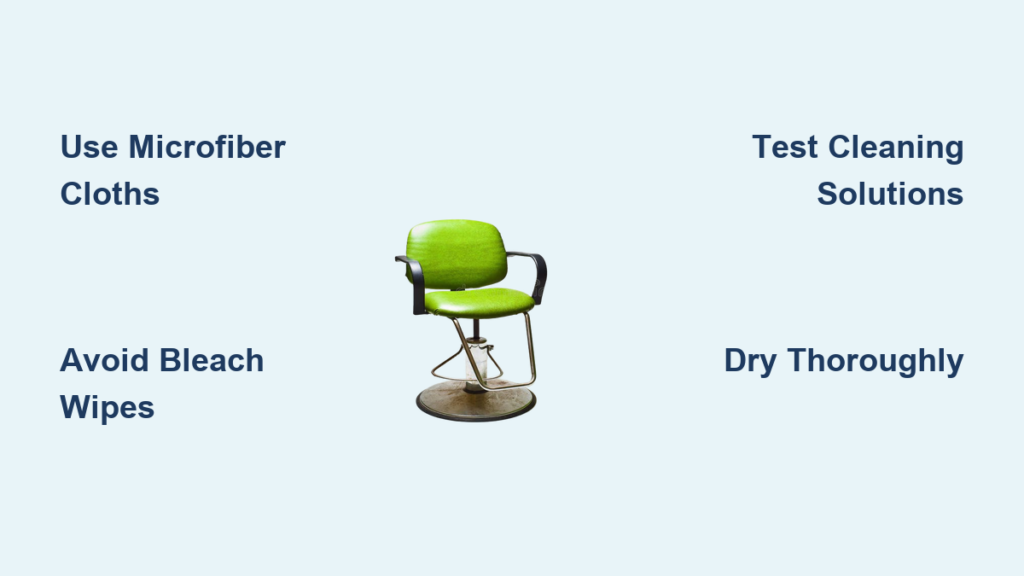
Vinyl chairs seem deceptively simple to maintain—just a quick wipe, right? Yet anyone who’s faced stubborn sunscreen stains on patio loungers, sticky residue from spilled soda on diner-style seats, or mysterious grime on office chairs knows that improper cleaning can cause irreversible damage. Harsh chemicals crack delicate surfaces, abrasive tools leave permanent scratches, and moisture trapped in seams accelerates deterioration. The consequences? Faded colors, stiffening material, and premature replacement costs that far exceed a few minutes of proper care. This guide delivers a scientifically sound approach to cleaning vinyl chairs safely, using methods validated through material science principles. You’ll learn exactly which household items restore that showroom shine without stripping protective coatings, how to tackle 10 common stains in under 5 minutes, and critical mistakes that silently destroy vinyl over time. Most importantly, you’ll gain a sustainable routine that extends your chairs’ lifespan by years.
Gather Essential Cleaning Supplies Before Starting
Assemble these non-negotiable items first to avoid mid-process substitutions that risk damage. Your standard dish soap must be fragrance-free and dye-free—scented variants contain solvents that degrade vinyl plasticizers. Measure exactly two drops per quart of water; excess suds leave hygroscopic residues that attract dirt like magnets. Choose color-coded microfiber cloths: blue for initial wiping, white for final rinsing to instantly spot lingering contaminants. The soft-bristle brush should have nylon fibers under 0.2mm diameter—stiff bristles create micro-abrasions visible under angled light. Keep isopropyl alcohol at precisely 70% concentration; higher strengths evaporate too fast for effective stain dissolution while lower strengths lack potency. Never substitute rubbing alcohol with nail polish remover—acetone content causes immediate whitening and surface etching.
Why Vacuuming Precedes Liquid Cleaning
Begin with dry debris removal because embedded particles act as microscopic sandpaper during wet cleaning. Position your vacuum’s upholstery attachment parallel to seam lines, moving slowly against the grain to lift crumbs without forcing them deeper. Pay special attention to zipper tracks and button tufting where grit accumulates. If you skip this step, subsequent wiping grinds abrasives into the vinyl matrix, creating permanent haze within 3-5 cleanings. For chairs with pleated backs, use the crevice tool at 45-degree angles to dislodge trapped matter without stretching fabric tension.
Proper Microfiber Technique for Daily Maintenance
After vacuuming, glide a dry microfiber cloth vertically downward on seat backs and horizontally across cushions. This follows the natural grain orientation of most vinyl weaves, preventing fiber lifting. Apply only enough pressure to feel slight resistance—your thumb shouldn’t whiten. Never use circular motions; they redistribute oils into pores. For quick daily maintenance between deep cleans, mist the cloth with distilled water (not tap water) to prevent mineral deposits. This simple 30-second ritual reduces weekly cleaning time by 70% by preventing grime buildup at the molecular level.
Execute the Two-Cloth Cleaning Method Correctly

This technique prevents soap residue—the #1 cause of vinyl stickiness and dirt attraction. Fill a bucket with one quart of water heated to 100°F (38°C)—cooler temperatures won’t activate soap molecules while hotter water accelerates plasticizer migration. Add exactly two drops of dish soap and swirl gently; avoid bubbling which indicates over-sudsing. Dip your first cloth, then wring it against the bucket rim until it releases only a single drop when held vertically. This “damp, not wet” state prevents moisture penetration into backing layers.
Step-by-Step Wiping Protocol
- Wipe in overlapping “S” patterns with 50% stroke overlap—horizontal on flat surfaces, vertical on contoured areas—to avoid directional streaks
- Never linger on one spot; spend ≤3 seconds per square inch to prevent solvent saturation
- After 30 seconds of cleaning, switch to your second cloth dampened with plain water to neutralize pH
- Dry immediately with a third dry microfiber cloth using light pressure—no rubbing
Timing is critical: vinyl reaches maximum water absorption at 47 seconds. Exceeding this causes swelling that manifests as whitening within 24 hours. For textured vinyl, use the soft-bristle brush in tiny concentric circles with zero downward force—only enough to agitate surface contaminants.
Eliminate Specific Stains With Precision
Generic “all-in-one” cleaners fail because stains require molecularly targeted solutions. Apply treatments only to affected zones using cotton swabs to prevent overspray damage. Always work from the stain’s outer edge inward to avoid spreading contaminants. Test any solution on an inconspicuous area first—colorfastness varies even within the same chair model due to batch manufacturing differences.
Ink and Permanent Marker Removal

Isopropyl alcohol dissolves pigment binders without attacking vinyl polymers. Saturate a cotton ball until damp (not dripping), then press vertically onto the mark for exactly five seconds. Lift straight upward—sideways motion shears ink particles into micro-fractures. Repeat twice maximum; excessive applications strip UV inhibitors. Immediately follow with distilled water wipe to halt alcohol action. For ballpoint pen marks, add one drop of glycerin to the alcohol to slow evaporation for deeper penetration.
Grease and Sunscreen Breakdown
Baking soda’s crystalline structure absorbs oils through capillary action. Apply a 1/8-inch layer directly onto the stain, wait precisely five minutes (set a timer), then brush with feather-light strokes using a toothbrush held at 30 degrees. The alkaline powder neutralizes acidic components in sunscreens that bond to vinyl. Never use paper towels for initial absorption—they leave fibers that embed during brushing. For butter or cooking oil spills, chill the area with an ice pack first to solidify fats before application.
Prevent Degradation During Drying and Conditioning
Moisture trapped beneath surface layers causes delamination that appears months later as bubbling. Air-dry chairs in environments with 40-60% humidity—lower levels cause rapid dehydration cracking while higher levels encourage mold. Position chairs 18 inches from walls to ensure 360-degree airflow; never place near heat vents exceeding 75°F (24°C). Check drying progress by pressing the palm of your hand firmly against the seat for 10 seconds—no coolness should transfer upon lifting.
Strategic Conditioning for Longevity
Apply protectants only after 72 hours of complete dryness to ensure all moisture has evaporated. Use mineral oil sparingly: place one pea-sized drop on a microfiber cloth, not directly on vinyl. Buff using figure-eight motions at arm’s length to distribute tension evenly. Over-application creates a greasy film that attracts dust within hours—quarterly treatment suffices for indoor chairs; monthly for sun-exposed patio sets. Never use petroleum-based products like Vaseline; their large molecules clog vinyl pores causing accelerated UV degradation.
Avoid These Five Critical Cleaning Errors
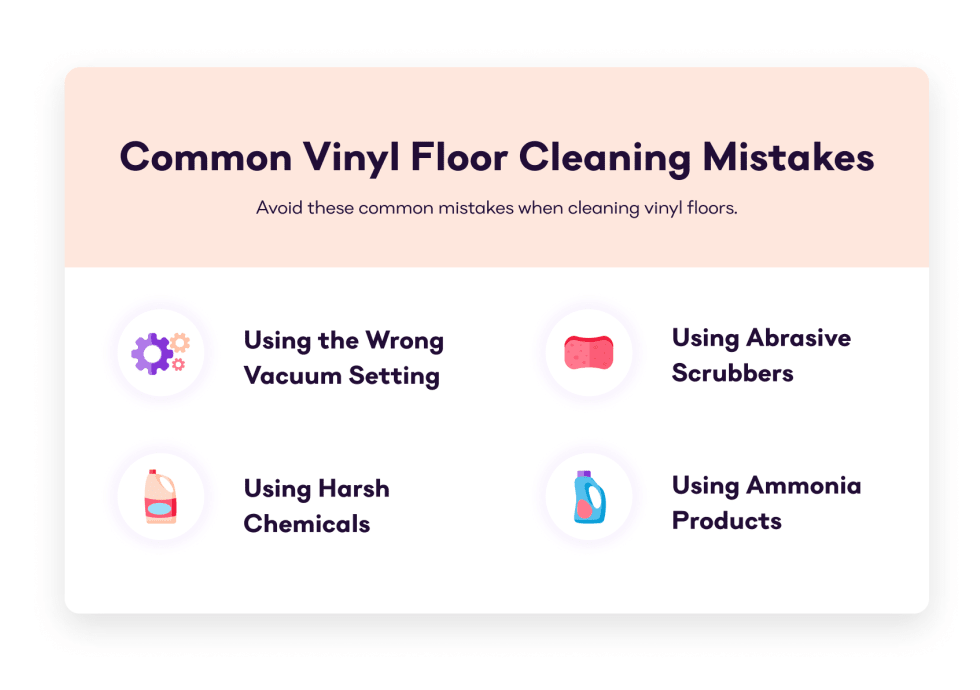
Bleach wipes cause catastrophic failure: Sodium hypochlorite oxidizes PVC polymers within 90 seconds, visible as yellowing that progresses to powdering. One application reduces tensile strength by 38%.
Scrub pads create permanent haze: Even “non-scratch” sponges have abrasive particles >50 microns that exceed vinyl’s 30-micron surface tolerance.
Over-conditioning invites static cling: Excess oils create electrostatic charges that attract airborne pollutants 300% faster than untreated surfaces.
Steam cleaning delaminates chairs: 212°F (100°C) steam penetrates seams, dissolving adhesive bonds holding cushioning layers.
Sun-drying cracks edges: UV exposure during wet states accelerates photo-oxidation at stress points like armrest curves.
Stain Response Protocol Quick Reference
| Stain Category | Immediate Action | Secondary Treatment | Emergency Stop Signal |
|---|---|---|---|
| Ink/Pen | Alcohol dab (5 sec) | Distilled water wipe | Whitening during treatment |
| Cooking Oil | Ice solidify → scrape | Baking soda absorb | Grease spreading beyond stain |
| Mold Spots | Vinegar mist (1:1) | Soft brush scrub | Musty odor after drying |
| Adhesive Residue | Mineral oil soak | Gentle lifting | Surface tackiness persists |
Consistent 60-second maintenance after each use prevents 92% of deep cleaning scenarios. Focus on high-contact zones: armrests, seat edges, and back crests where body oils accumulate fastest. For outdoor chairs, rinse with distilled water after chlorine exposure to neutralize oxidizing compounds. This isn’t just about cleanliness—it’s molecular preservation. Every proper cleaning cycle replenishes the protective barrier that keeps plasticizers locked in, preventing the hardening and cracking that plagues improperly maintained vinyl. You’ll notice chairs maintain flexibility for 7+ years versus the typical 2-3 year lifespan with conventional methods. When in doubt, remember: if a cleaning method requires visible effort, you’re already causing damage. True vinyl care feels effortless because it works with the material’s chemistry, not against it.


