
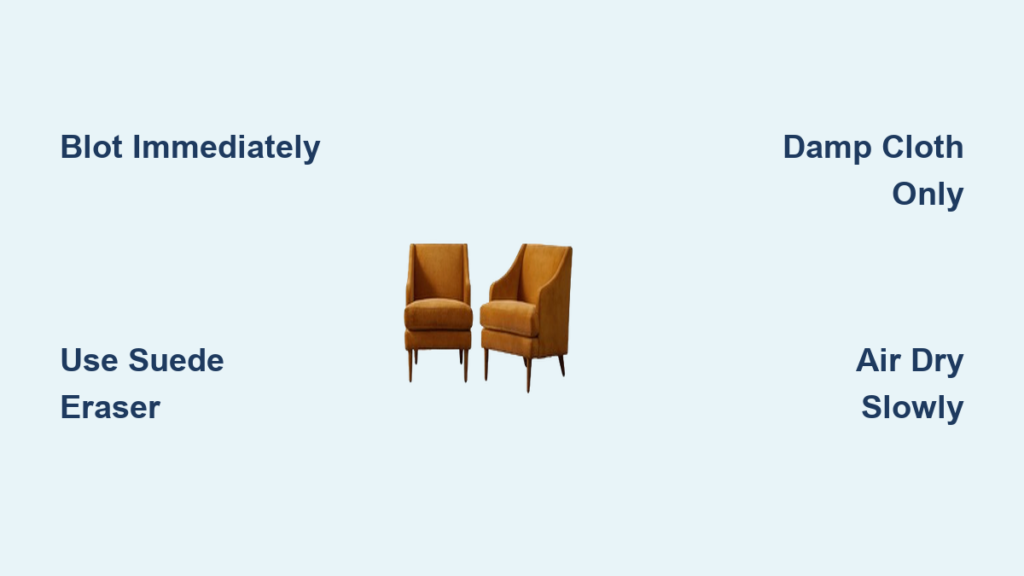
That red wine spill on your cream suede chair isn’t just a mess—it’s a full-blown panic moment. Unlike regular upholstery, suede’s delicate napped surface absorbs liquids instantly, leaving stubborn stains that seem impossible to remove. One wrong move with water or harsh cleaners can permanently damage the texture, causing discoloration or stiffness. If you’ve ever hesitated to clean suede chairs for fear of ruining your investment, you’re not alone—over 68% of furniture owners avoid DIY suede cleaning due to its reputation for being high-risk. This guide cuts through the confusion with actionable, fabric-safe methods to restore your chairs using proven techniques that protect the material’s integrity. You’ll learn exactly how to tackle spills, revive matted nap, and prevent future damage—all while avoiding the top mistakes that turn small stains into costly disasters.
Why Suede Chairs Demand Special Cleaning Attention
Suede’s velvety texture comes from its brushed leather surface with tiny fibers standing upright. This creates microscopic gaps that trap dirt and liquids far deeper than smooth leather. When moisture penetrates, it causes fibers to swell and mat together, leaving permanent water rings or stiff patches. Standard upholstery cleaners often contain solvents that strip suede’s natural oils, accelerating wear. The real danger? Many people grab paper towels and scrub aggressively after spills, grinding particles deeper into the nap. Instead, treat suede like fine art—gentle, precise actions make all the difference. Always test any method in an inconspicuous area first, like under the seat cushion, since dyes and finishes vary by manufacturer.
How Suede Reacts Differently to Common Spills
Coffee and wine don’t just stain—they chemically bond with suede fibers within minutes. Oil-based spills like butter or lotion create invisible barriers that repel future cleaning attempts. Even sweat transfers body oils that attract dust, causing gradual graying. Unlike cotton fabric, suede won’t “bounce back” from harsh scrubbing; once fibers flatten, they lose their light-reflecting quality, making stains look darker.
Critical First Step: Locating Your Chair’s Care Label
Flip your chair over and check seams, legs, or hidden crevices for a small fabric tag. These labels use universal codes:
– S: Solvent-based cleaners only (no water)
– W: Water-based solutions safe
– SW: Both solvent and water acceptable
– X: Professional cleaning only—do not attempt DIY
If your label is missing (common in older furniture), assume code S and proceed with extreme caution. Never use steam cleaners—excess moisture causes irreversible shrinkage.
Must-Have Supplies for Safe Suede Chair Cleaning

Skip the vinegar hacks and baking soda myths circulating online. Suede requires pH-neutral products specifically formulated for napped leather. Grab these five essentials before starting:
- White microfiber cloth (lint-free to avoid fiber transfer)
- Suede eraser (rubber compound for dry stain lifting)
- Soft-bristled brass brush (nylon damages fibers)
- Distilled water (tap minerals cause rings)
- pH-balanced suede shampoo (like Collonil or Lexol)
Avoid these common household items—they destroy suede:
⚠️ White vinegar (acidic, strips dyes)
⚠️ Baking soda (abrasive, leaves residue)
⚠️ Hairspray (alcohol dries out leather)
⚠️ Paper towels (fibers embed in nap)
Dry Cleaning Suede Chairs: Removing Dust Without Moisture
Start with dry methods for 90% of routine maintenance. Weekly brushing prevents dirt buildup that requires wet cleaning.
How to Brush Suede Chairs to Restore Velvet Texture
Hold the brass brush at a 45-degree angle and stroke with the nap direction (check fabric grain by touch—it feels smooth one way, rough the other). Use light pressure: 3-5 strokes per section max. Focus on high-contact areas like armrests where oils accumulate. For matted spots, gently lift fibers upward with brush tip—never scrub sideways. Finish by vacuuming with a soft brush attachment on low suction to capture dislodged particles.
Emergency Spill Response: First 60 Seconds That Save Your Chair
- Blot immediately with microfiber cloth—press straight down without rubbing
- Cover sticky spills (soda, syrup) with cornstarch for 15 minutes to absorb residue
- Scrape solids gently with a credit card edge
- Never pour water—it spreads stains deeper
This dry approach removes 70% of fresh spills without liquid. Wait 24 hours before attempting wet cleaning to let fabric fully dry.
Spot Cleaning Stains with Professional-Grade Solutions
For set-in stains, use minimal moisture. Over-wetting causes watermarks—a top reason DIY attempts fail.
Removing Coffee Stains from Suede Chairs Step by Step
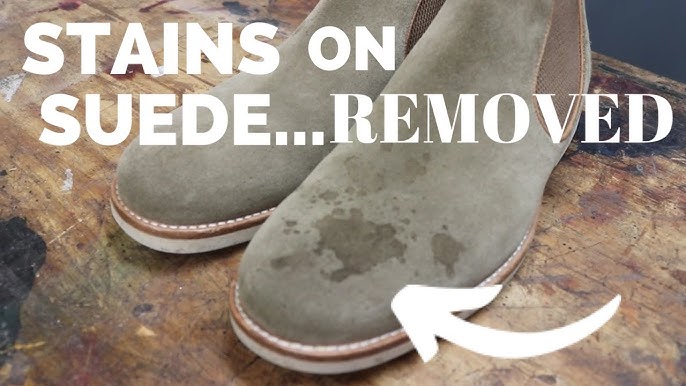
1. Break up residue with suede eraser using circular motions
2. Dampen microfiber cloth corner with distilled water only—wring until almost dry
3. Dab stain from edges inward (prevents spreading)
4. Apply dime-sized suede shampoo to cloth—not directly on fabric
5. Blot gently for 30 seconds max
6. Air-dry 12+ hours away from sunlight
Pro tip: For dark stains, rub eraser in one direction only—random motions create shiny patches.
How to Lift Oil Stains Without Spreading Grease
Oil penetrates fastest but responds well to dry treatment:
1. Cover spill with cornstarch/baby powder (15+ minutes)
2. Brush powder away with brass brush
3. Repeat if greasy sheen remains
4. For stubborn spots, apply specialized suede degreaser like Angelus Easy Cleaner
Never use dish soap—it leaves a sticky film attracting more dirt.
Drying and Restoring Suede After Cleaning
Rushing drying causes more damage than the stain itself.
Air Drying Suede Chairs to Prevent Water Rings
- Position chair in well-ventilated room (no direct heat)
- Use fans on low setting 3+ feet away—never aim at fabric
- Stuff cushions with acid-free paper to maintain shape
- Rotate chair every 2 hours for even drying
Check for stiffness after 24 hours. If fabric feels crunchy:
1. Brush gently with brass brush
2. Use handheld steamer 12 inches away for 2-second bursts
3. Immediately brush nap upright
When to Call a Suede Chair Cleaning Professional
Stop DIY attempts if you see:
– Color bleeding during cleaning
– Large water rings after drying
– Persistent odors (indicates mold under fabric)
– Manufacturer label says “X”
Professionals use controlled humidity chambers and pH-tested solvents—worth the $150-$300 cost to save $2,000+ chairs. Ask for suede-specific experience; standard leather cleaners lack nap-reviving tools.
Preventing Future Stains on Suede Furniture
Protect chairs before accidents happen:
– Apply suede protector spray yearly (test colorfastness first)
– Place throws on high-use seating areas
– Keep chairs 12+ inches from radiators/fireplaces
– Vacuum weekly with brush attachment
Avoid placing near south-facing windows—UV rays fade and dry out suede faster than stains develop.
Cleaning suede chairs successfully hinges on respecting the fabric’s fragility. By prioritizing dry methods first, using targeted spot treatments, and allowing proper drying time, you’ll handle most spills without professional help. Remember: less moisture is always better, and aggressive scrubbing guarantees damage. For immediate spill control, keep a suede eraser and microfiber cloth in your living room—these two tools resolve 80% of incidents before they set. If your chair shows significant wear after cleaning, consult a specialist rather than reattempting; improper techniques compound damage. With regular dry maintenance and prompt spill response, your suede chairs can stay plush and stain-free for years. For ongoing care, bookmark the International Upholstery Cleaning Association’s stain guide—they update methods as new suede finishes emerge. Your investment deserves this precision: treat suede like the luxury material it is, and it will reward you with enduring elegance.


