
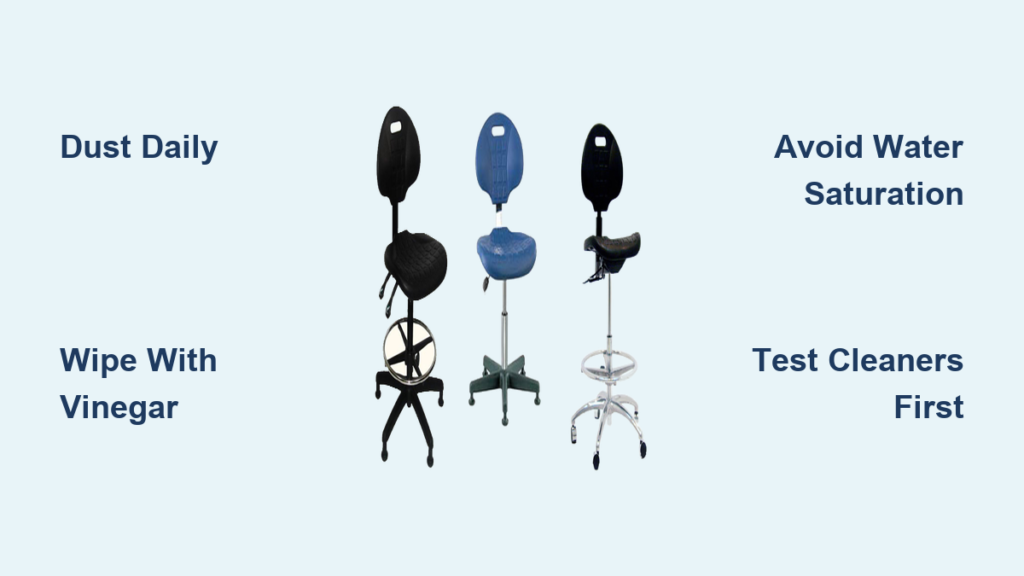
That sleek polyurethane chair in your dining room or office starts losing its luster fast when sticky fingerprints, coffee rings, or food splatters accumulate. Unlike real leather, polyurethane’s synthetic surface traps grime in its uniform texture, leading to stubborn stains that dull its leather-like shine. Skip proper cleaning, and you’ll face cracked coatings, permanent discoloration, or even peeling material within months. This guide delivers a precise how to clean polyurethane chairs routine that preserves their showroom appeal using everyday supplies—no expensive professional services needed. You’ll master everything from 30-second spot treatments to quarterly deep cleans that prevent costly damage.
Identify Genuine Polyurethane Before Cleaning
Running your hand over the chair reveals the truth: real polyurethane feels cool, smooth, and slightly plastic—not warm or grainy like genuine leather. Check for consistent coloring throughout the material; genuine leather shows natural variations and a lighter under-layer when scratched lightly on the underside. Flip the chair to locate the cleaning code tag—W means water-based cleaners are safe, WS allows water or solvents, and X demands professional help. Ignoring these codes risks stripping the protective top coat, causing irreversible cracks or color bleeding. Never assume—test any cleaner first on a hidden spot like the chair’s back leg to confirm compatibility.
Assemble Your Polyurethane-Safe Cleaning Kit
Everyday Essentials for Quick Touch-Ups
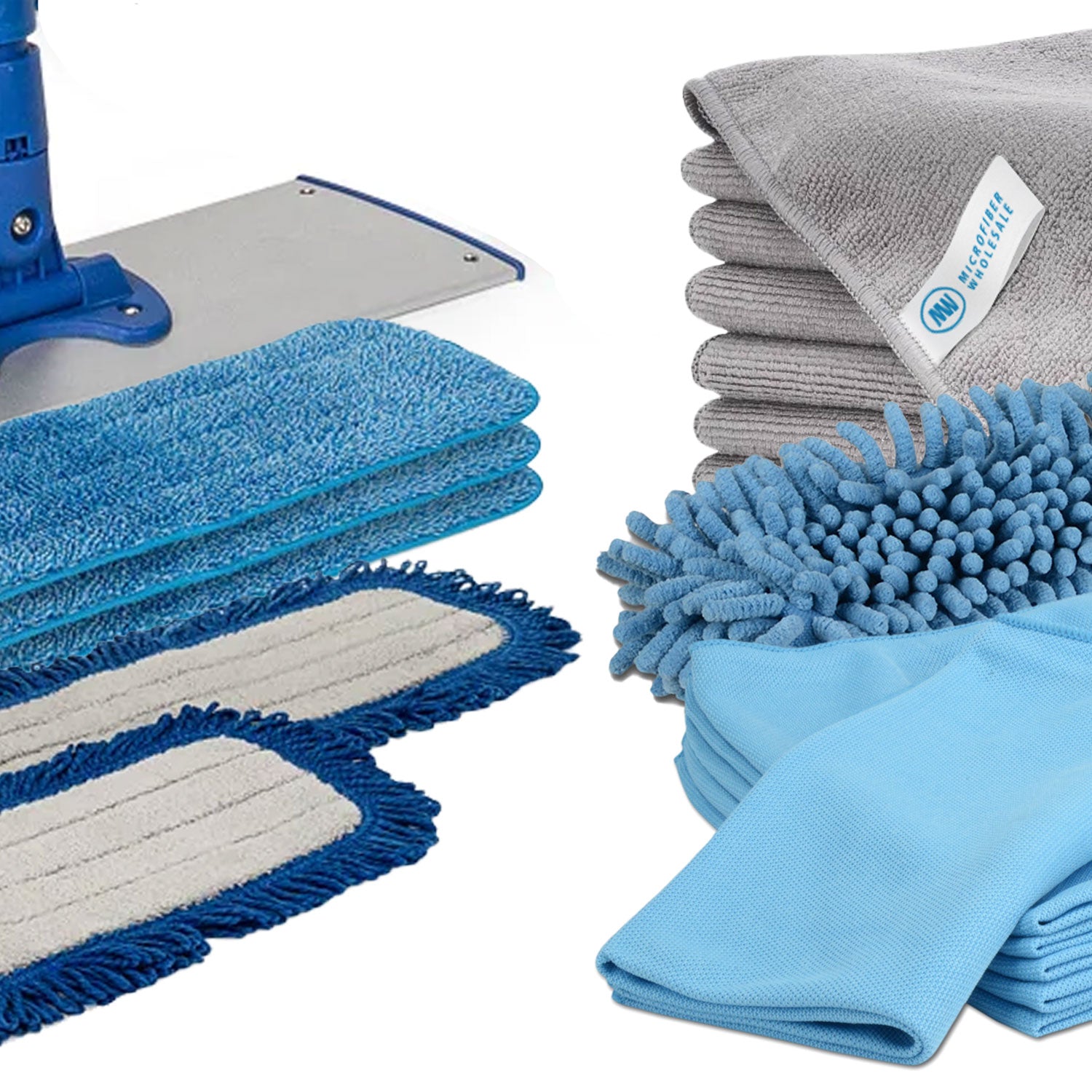
- Two white microfiber cloths (colored fabrics transfer dye onto light chairs)
- pH-neutral dish soap (avoid moisturizing or antibacterial formulas that leave residue)
- Distilled water spray bottle (prevents mineral rings from tap water)
- 70% isopropyl alcohol for sanitizing and dissolving sticky residues
Deep-Clean Additions for Stubborn Buildup
- Soft-bristle toothbrush (stiff brushes scratch the surface)
- White vinegar (5% solution) for odor removal and disinfecting
- Cotton swabs to target seams and tufted details
- Baking soda for fresh oil stains like salad dressing or grease
- Nitrile gloves to block hand oils that degrade polyurethane
Pro Tip: Label spray bottles clearly—accidentally using vinegar on fresh ink stains sets the pigment permanently. Always work in a ventilated area and never saturate the material.
Execute Daily and Weekly Maintenance Routines
30-Second Dust Removal Technique
Dust particles act like sandpaper when compressed by sitting, causing micro-scratches that accelerate wear. Every morning, wipe the chair in straight lines following its grain pattern using a dry microfiber cloth. Pay special attention to crevices where crumbs accumulate—use a cotton swab to dislodge debris from stitching. This simple habit prevents 80% of surface abrasions before they start. Skip this step, and weekly cleanings become ineffective as embedded grit resists standard wiping.
Weekly Deep Wipe Protocol (15 Minutes)
- Mix one drop of pH-neutral soap into two cups of warm distilled water
- Lightly mist the solution onto your cloth—never spray directly onto the chair
- Wipe top-to-bottom using gentle circles, applying minimal pressure
- Rinse with a second cloth dampened only with distilled water
- Pat dry immediately; trapped moisture breeds mildew in seams
Warning: Excess soap leaves a sticky film that attracts more dirt. If marinara spills mid-dinner, skip soap—blot first with paper towels, then move to stain-specific methods below.
Eliminate Tough Stains in Under 20 Minutes
Water-Based Stain Rescue (Coffee, Juice, Wine)
Blot spills within 30 seconds using paper towels—pressing spreads the stain. Mix equal parts white vinegar and distilled water, then dab from the stain’s edge inward to contain spread. Rinse with plain water and dry thoroughly. Vinegar breaks down organic acids without stripping color, but never use bleach—it permanently yellows polyurethane. Test on hidden areas first if dealing with dark chairs.
Oil-Based Stain Eradication (Makeup, Grease, Dressing)
Cover fresh oil stains with cornstarch or baking soda; let it absorb for 15 minutes before brushing away. Then dampen a cotton ball with 70% alcohol and work in small circles, replacing the cotton as it picks up residue. Alcohol dissolves oils without water-based swelling, but stop immediately if you see color transfer—this indicates incompatible materials. For set-in stains, repeat after 24 hours to avoid over-saturating.
Ink and Marker Removal Tactics
Ballpoint ink requires 90% alcohol; permanent marker (like Sharpie) needs 70%. Dab—not rub—with an alcohol-soaked cotton swab, checking progress every 5 seconds. Aggressive rubbing pushes ink deeper into the material’s pores. For multi-colored chairs, test on an inconspicuous spot first—alcohol can lift dyes on poorly manufactured polyurethane.
Perform Quarterly Deep Cleans Properly

Step-by-Step Restoration Process (60 Minutes)
- Move chairs away from direct sunlight; ideal room temperature is 65–75°F
- Mix one cup warm water, ½ cup white vinegar, and ¼ teaspoon soap
- Clean in one-foot-square sections: wipe top-to-bottom, then rinse with vinegar-water (1:4 ratio)
- Detail seams using cotton swabs dipped in the solution
- Air-dry 2–4 hours; use a fan on low if humidity exceeds 60%
Speed Hack: For multiple chairs, work assembly-line style—clean one section on each chair sequentially. This cuts per-chair time by 30% while maintaining even drying. Never skip the vinegar-water rinse step—it neutralizes soap residue that causes future sticking.
Address Mold, Odors, and Sun Damage Immediately

Mold and Mildew Emergency Protocol
Wear gloves and a mask before mixing one part 3% hydrogen peroxide with three parts water. Spray lightly on affected areas, wait 10 minutes, then wipe with a microfiber cloth. Hydrogen peroxide kills spores without bleaching, but fix humidity issues first—mold returns if room moisture stays above 50%. For recurring outbreaks, run a dehumidifier near seating areas.
Pet Accident Cleanup Without Lingering Smells
Use an enzymatic cleaner designed for synthetic leather—not regular carpet shampoo. Saturate the stain, cover with plastic wrap for 4–6 hours, then blot excess moisture. Sprinkle baking soda overnight to neutralize odors. Never use ammonia-based cleaners—they break down polyurethane’s polymer bonds, causing permanent stickiness.
Sun Fading Countermeasures
Rotate chairs weekly to distribute UV exposure evenly. Apply a silicone-free UV protectant spray every 90 days—wax-based products create a hazy film. For faded areas, try a color-matched repair kit on the underside first; severe discoloration often requires professional refinishing.
Prevent Costly Damage With Proactive Habits
Monthly Inspection Checklist
- Tighten loose screws (hardware stress causes micro-tears)
- Scan for hairline cracks; dab with polyurethane conditioner before they spread
- Wipe base and wheels to prevent grit migration upward
Seasonal Protection System
After quarterly deep cleans, mist on a water-based protectant (no silicone or wax). One light coat repels spills for 90 days. Store unused chairs under breathable cotton covers—plastic traps moisture, triggering mold. In winter, maintain 30–50% humidity to prevent cracking from dry air.
Recognize When to Call Professionals
Stop DIY attempts immediately if you see:
– Tears longer than two inches (patches become visible)
– Peeling across 10%+ of the surface (indicates top-coat failure)
– Foam protruding through cracks (structural compromise)
– Odors persisting after three cleanings (deep contamination)
Restoration costs exceeding 50% of a new chair’s price signal replacement time. Professionals use industrial-grade adhesives and color-matching tech, but their services cost $150+ per chair—making prevention your smartest investment.
Final Takeaway: A consistent routine—2 minutes daily for dusting, 15 minutes weekly for washing, and 60 minutes quarterly for deep cleaning—keeps polyurethane chairs looking new for 5+ years. Stick to distilled water, vinegar, and alcohol-based solutions while avoiding waxes, solvents, or excessive moisture. By following these precise steps, you’ll maintain that flawless leather-like finish without expensive replacements or professional cleanings. Start today: grab your microfiber cloths and vinegar bottle, and rescue your chairs from sticky buildup before damage sets in.


