

If your lower back screams after hours at your desk, science confirms you’re not imagining it. Static sitting concentrates 40% more load on lumbar discs than standing, and slouching spikes intradiscal pressure by nearly 200%—directly threatening spinal health. While a 2020 systematic review of 14 studies notes low-quality evidence for chairs alone solving back pain, properly configured ergonomic seating combined with movement breaks does reverse these destructive forces. When you align your spine’s natural 15° lumbar curve using targeted support, disc compression drops dramatically, muscles finally relax, and blood flow surges. Below, you’ll discover exactly which adjustability features eliminate pain triggers, how soon relief kicks in, and the precise setup steps most users miss.
Static Sitting Destroys Spinal Health
How Slouching Multiplies Disc Load
Collapsing into a forward-flexed posture flattens your lumbar lordosis—the critical inward curve protecting discs. This seemingly minor shift skyrockets disc pressure from 100% (standing) to 190%, drastically raising herniation and sciatica risks. The Herman Miller/Dowell study proves maintaining that 15° natural curve is non-negotiable: It redistributes weight off vulnerable discs onto stronger vertebrae. Without it, every hour of sitting grinds spinal structures like ungreased gears.
Muscle Fatigue Chain Reaction
When hip flexors tighten and glutes weaken from prolonged sitting, your pelvis destabilizes. This forces erector spinae muscles to contract nonstop—like holding a plank for 8 hours—causing micro-tears and inflammation. Proper lumbar support interrupts this cycle: It props your pelvis in neutral alignment so muscles rest instead of fighting gravity. You’ll feel immediate tension release in your lower back when the support hits your belt-line curve.
Movement Deficit Problem
Office workers naturally make 53 torso movements per hour—subtle shifts that pump fluid into spinal discs and flush inflammatory byproducts. Rigid chairs suppress these micro-adjustments, turning your spine into a stagnant swamp. High-end ergonomic chairs solve this with synchro-tilt mechanisms that encourage healthy fidgeting. As you recline, dynamic lumbar support moves with your spine, keeping discs hydrated and blood flowing.
Core Components That Eliminate Back Pain
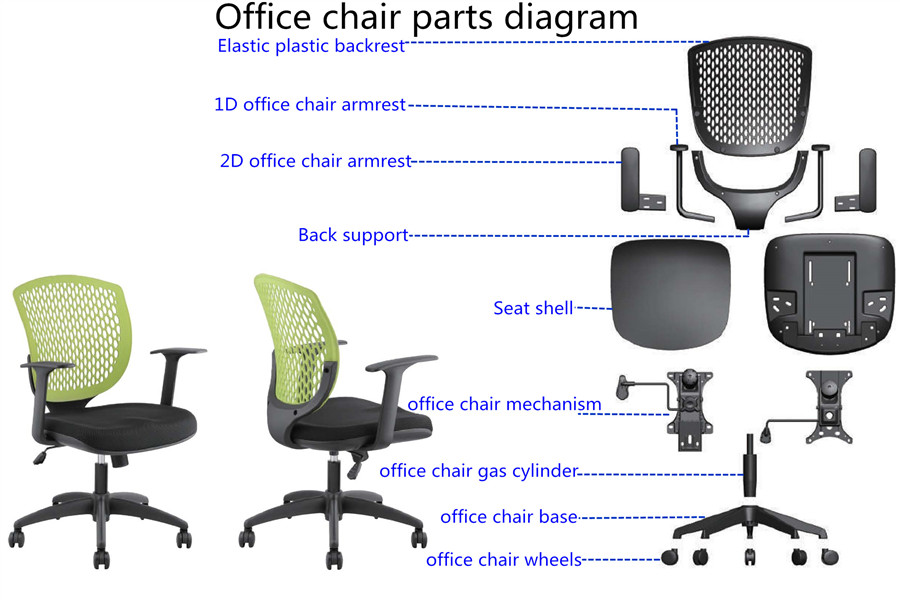
| Part | Back-Pain Function | Ideal Range |
|---|---|---|
| Adjustable Lumbar | Preserves 15° lordosis, unloads discs | Height 6–10″ above seat, depth 0.6–2″ |
| Seat Height | Keeps hips ≥ 90°, prevents pelvic tilt | 16–21″ range (or 25% of stature) |
| Seat Depth | Stops knee pressure & pelvic retroversion | 15–18″, 2–4″ gap behind knees |
| Synchro-Tilt | Dynamic recline unloads discs | 100–120° with 2:1 ratio |
| 4-Way Armrests | Reduces shoulder elevation & neck load | Height 7–11″ above seat, width 16–20″ |
| Waterfall Edge | Cuts popliteal pressure, boosts circulation | Rounded front contour |
Why this matters: Cheap chairs skip critical adjustability. Fixed lumbar supports often sit too high (jammed under ribs) or too low (pressing sacrum), worsening pain. Only independent height and depth control lets you target the exact spot where your spine curves inward at the belt line.
Proven Pain Reduction Timeline
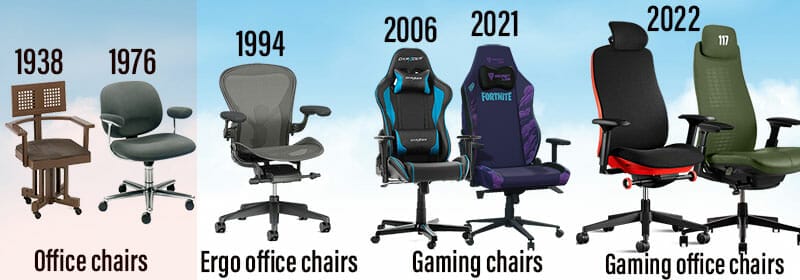
First 2–3 Weeks
Users report 30–50% less lower-back pain once lumbar depth and seat height are dialed in. That nagging end-of-day ache fades as discs decompress, and morning stiffness drops because muscles aren’t fighting to stabilize a collapsed spine overnight. Pro tip: Set phone reminders to check your posture hourly—most revert to slouching within 20 minutes of adjustment.
4–6 Weeks
Postural muscles retrain as micro-movements increase. In a 312-worker case series, 75% shifted from “moderate-severe” to “mild or none” pain within three months. Kyphotic hunching and “tech neck” vanish because contoured backrests maintain thoracic alignment, stopping compensatory spinal crunching.
One-Year Mark
Chronic pain episodes plummet up to 75% when chairs pair with 5-minute walking breaks every 30–60 minutes. Discs stay hydrated through consistent micro-movements, while reduced muscle fatigue slashes inflammation. Critical note: Chairs alone won’t fix pain if you skip movement—OSHA data shows combined interventions cut absenteeism by 75%.
Quick Setup Guide for Instant Relief
Adjust Seat Height First
- Sit with feet flat, thighs parallel to floor (90–100° knee angle).
- If feet dangle, add a footrest; if hips sink below knees, lower the seat.
- Visual cue: Your pelvis should tilt slightly forward—no “perching” on tailbone.
Dial in Lumbar Support
- Stand naturally, feel for your belt-line curve (usually at navel height).
- Sit and raise/lower lumbar support until it fills that exact spot.
- Increase depth until you feel gentle pressure—not pain—cradling your spine.
Fine-Tune Recline Tension
- Set tension so leaning back reclines the chair but returns upright easily.
- Lock at 100–110° for typing; unlock for calls to encourage micro-movements.
- Warning: Stiff tension forces static sitting—your chair should “give” when you shift.
Avoid These Costly Mistakes
| Common Error | Why It Hurts | Quick Fix |
|---|---|---|
| Lumbar too high or low | Pushes spine out of natural curve | Re-measure belt-line height while standing |
| Seat too deep | Forces slouch to reach backrest | Slide seat pan forward or add lumbar cushion |
| Armrests too high | Elevates shoulders, strains neck | Lower until elbows hang at 90°, shoulders relaxed |
| Static sitting all day | Circulation & discs suffer | Set 30-minute stand/walk reminder |
Real-world impact: A user with armrests 1″ too high increases cervical disc compression by 17%—enough to trigger radiating arm pain. Always adjust arms after setting seat height.
ROI: Save $3–$7 for Every $1 Spent
Healthcare Costs Plummet
The average lumbar strain claim costs $15,000, yet companies with ergonomic seating slash musculoskeletal absenteeism by 75%—saving $3,600 per employee yearly. High-end chairs (10–12 year lifespan) cost just $100–$150 annually versus cheap chairs that sag within 3–5 years, requiring replacements that double long-term costs.
Productivity Jumps
In timed task tests, ergonomic-chair users finished 18% faster with 25% fewer discomfort breaks. Cognitive scores rose 7% due to better circulation—critical for afternoon focus slumps. For employers, this translates to 1.5+ extra productive hours weekly per employee.
Tailor Settings for Your Body
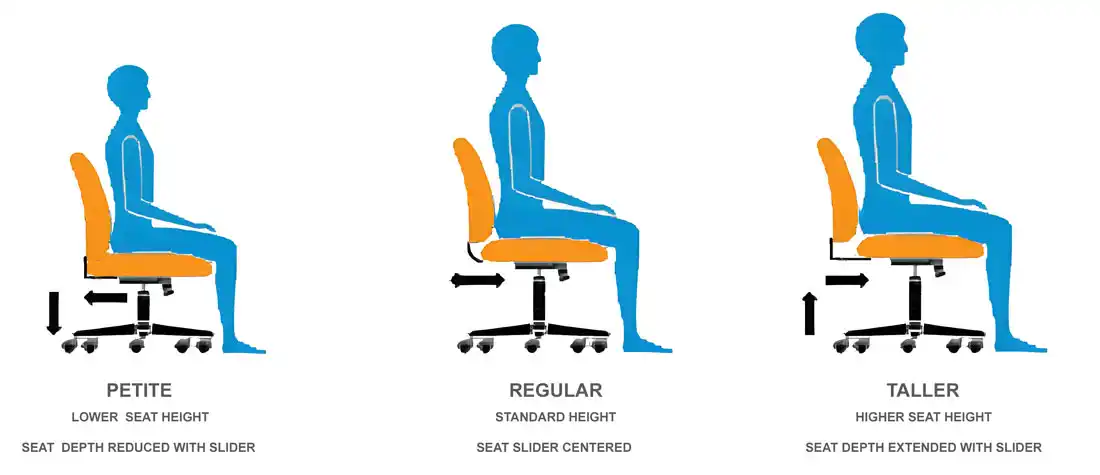
Petite Users (Under 5’4″)
Minimum seat height must hit 14–15″ (standard chairs often sit too high). Use a footrest if feet dangle, and shorten seat depth to 14–16″—otherwise, you’ll slide forward, losing lumbar contact. Key fix: Seek chairs with height-adjustable lumbar; fixed supports sit too high on petite frames.
Tall Users (Over 6’2″)
Prioritize extended cylinders (19–23″ height) and tall backrests (≥25″). Ensure lumbar travel spans ≥4″ vertically to stay anchored at your belt line when reclining. Warning: Standard chairs force tall users to hunch as lumbar support sinks below the curve.
Existing Back Pain
Choose chairs with dynamic lumbar (moves with recline) and independent depth control. Pair with 5-minute walks hourly—static sitting without movement negates even the best chair’s benefits.
Maintenance Tips to Sustain Benefits
- Weekly: Recheck lumbar depth/height; loose knobs drift settings.
- Monthly: Vacuum mesh backrests (dust stiffens support); wipe armrests.
- Annually: Replace casters if rolling poorly; test gas cylinder for sinking.
- 8–12 years: Replace if foam sags >5% or lumbar support won’t lock—degraded chairs cause pain.
Invest once in a chair meeting the 8-point checklist—adjustable lumbar, seat height/depth, synchro-tilt, breathable backrest, 4-way arms, waterfall edge, 8-year warranty, and ANSI/BIFMA certification—and pair it with hourly movement breaks. While chairs alone aren’t a magic fix (as the 2020 review cautions), this combo slashes disc pressure, reactivates dormant muscles, and delivers measurable pain reduction within weeks. Your spine’s natural curves weren’t designed for static sitting—give them dynamic support, and back pain becomes a relic of your pre-ergonomic past.


