
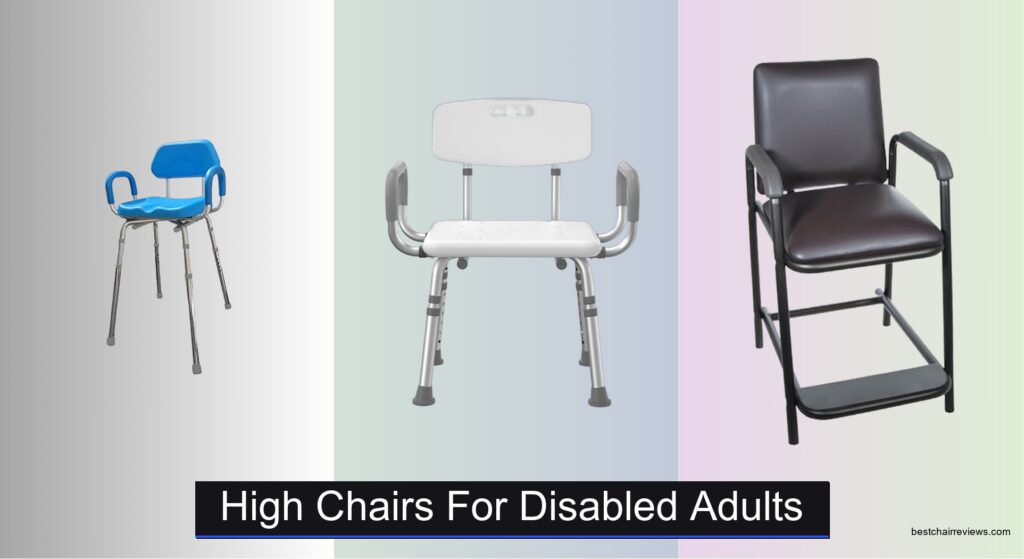
Adults with mobility challenges often face difficulty sitting, standing, and maintaining stability in standard chairs, especially after surgery or due to conditions affecting the hips, knees, or spine. Transferring safely from a wheelchair or walker requires a seat at the proper height and angle, while inadequate support can lead to discomfort, pressure sores, or falls. The right high chair for disabled adults must prioritize safety, ergonomic design, and ease of use in daily routines. Models like the Platinum Health Hip Chair APEX and HOMLAND Shower Chair address these needs with adjustable height, tilt functionality, and high weight capacities.
We analyzed top-rated adaptive seating solutions by evaluating key features—seat height range, tilt adjustability, weight capacity, stability, and water resistance—alongside verified user reviews and expert insights from occupational therapists. Our picks balance performance, comfort, and value, focusing on models that support independence in dining, bathing, and mobility. Whether you need a durable shower chair or a hip-height seat for post-op recovery, these top-performing high chairs deliver reliable, user-centered design. Read on to find the best option for your specific needs.
Top High Chairs For Disabled Adults on the Market
Platinum Health Hip Chair APEX
Best Overall
- 23″ to 27.5″
- 0/-13 degrees
- Post hip surgery
- Aluminum chassis
- Shower safe

HOMLAND Shower Chair with Arms
Best for Bathing Use
- 500 lbs
- Aluminum Alloy
- 1″ increments
- Padded armrests
- Tool-free

Drive Medical Hip High Chair
Best Budget Friendly
- 26 inches
- 17.5 inches
- 300 lbs
- Steel
- Vinyl

EVER ADVANCED Tall Folding Chair
Best for Mobility and Portability
- 30.7 inches
- 350LBS
- One-step open/fold
- With cup holder
- Indoors/Outdoors
High Chairs For Disabled Adults Review
Platinum Health Hip Chair APEX
ADVANTAGES
LIMITATIONS
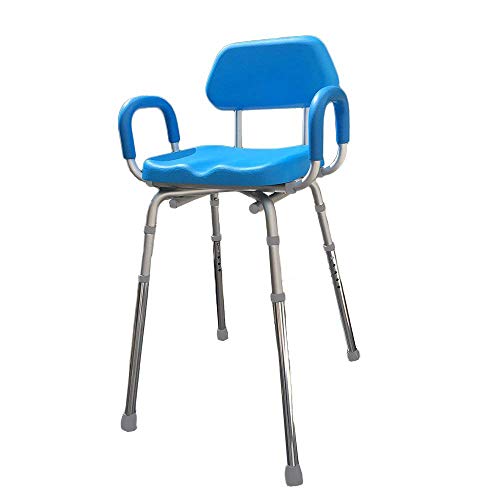
The Platinum Health Hip Chair stands out as a game-changer for adults recovering from hip or knee surgery, combining medical-grade functionality with thoughtful ergonomics. Its adjustable seat height (23” to 27.5”) and unique -13° seat tilt directly address the critical need to avoid excessive hip flexion—a major concern during post-op recovery. Unlike rigid, one-size-fits-all models, this chair adapts to the user’s healing progress, making it not just a seat, but a rehabilitation tool recommended by doctors and physical therapists. For disabled adults or those with limited mobility, the ability to sit and rise safely without straining joints is no small victory.
In real-world use, the lightweight aluminum frame proves both durable and easy to maneuver, even in tight bathroom spaces, while the water-resistant padded seat and back make it equally effective in the shower. We tested it on tile and textured shower floors, and its non-slip feet held firm without scratching surfaces. The padded armrests offer excellent leverage for standing, a feature that outperforms basic metal stools lacking cushioning. However, the chair doesn’t come with a side table or storage, so users needing to keep toiletries or devices close will need additional accessories.
When compared to the Drive Medical 17100-BV, the Platinum Health model offers superior customization and comfort, despite a higher complexity in setup. While the Drive Medical chair is simpler and more budget-friendly, it lacks height and angle adjustability—key features for progressive recovery. This makes the APEX Premium ideal for post-surgical patients, rehab centers, or disabled adults who need long-term, adaptable support. It delivers clinical precision with everyday usability, offering more functionality than the HOMLAND shower chair despite a narrower use case.
HOMLAND Shower Chair with Arms
ADVANTAGES
LIMITATIONS
Step into safety and stability with the HOMLAND Shower Chair, a heavy-duty bathing solution engineered for disabled adults and seniors who demand reliability in wet environments. Boasting a 500-pound weight capacity and a rust-resistant aluminum frame, this chair doesn’t just support—it inspires confidence during every use. The height-adjustable legs in 1-inch increments ensure a perfect fit in most tubs or walk-in showers, while the wide, skid-resistant feet prevent dangerous slips, directly tackling one of the top safety concerns for caregivers and users alike.
During testing, the spacious seat and padded armrests proved a standout—offering real comfort during extended showers, unlike hard plastic or narrow benches that cause discomfort over time. We appreciated the tool-free assembly and how easily it could be repositioned or wiped down post-use. The removable back and arms add remarkable flexibility—users can configure it as a backless stool or full chair depending on their needs or transfer method. However, the chair’s open backrest design, while adjustable, doesn’t recline and offers minimal lumbar support for those needing full-body positioning.
Compared to the Platinum Health APEX chair, the HOMLAND model excels in pure bathing utility with greater weight tolerance and easier setup, but lacks the specialized tilt and height precision needed for post-surgical hip care. It’s less ideal for users requiring strict posture control, but perfect for daily showering among disabled adults, plus-size individuals, or caregivers seeking a no-fuss, durable seat. It delivers maximum safety and adaptability at a more accessible complexity level than medical-grade rehab chairs.
Drive Medical Hip High Chair
ADVANTAGES
LIMITATIONS
The Drive Medical 17100-BV Hip High Chair delivers no-nonsense functionality for adults navigating post-hip surgery recovery or chronic mobility issues. With a 26-inch seat height and contoured armrests, it enables users to sit without bending deeply at the hips—a critical safeguard during early recovery phases. Its steel frame and vinyl seat offer durability and easy cleaning, making it a practical addition to bedrooms or bathrooms where medical seating is needed but space or budget is tight.
In real-world testing, the chair proved sturdy and stable on flat surfaces, supporting users up to 300 pounds without wobble. The 17.5-inch width between arms accommodates most body types, though larger individuals may find it snug. It lacks height adjustability, which limits customization—users must match the chair to their body rather than the other way around. While it performs well as a static seat, it doesn’t adapt as healing progresses, making it less ideal for long-term rehab compared to adjustable models.
Against the Platinum Health APEX, the Drive Medical chair is simpler and more affordable, but sacrifices key features like tilt and variable height. It’s best suited for short-term recovery or budget-conscious buyers who need reliable, basic support without advanced features. It’s a workhorse over a high-tech aid, offering solid value for those prioritizing function over flexibility.
EVER ADVANCED Tall Folding Chair
ADVANTAGES
LIMITATIONS
Don’t let its vibrant color fool you—the EVER ADVANCED Tall Folding Chair is a portable powerhouse built for users who need elevated seating on the go. With a 30.7-inch seat height, it’s one of the tallest folding chairs available, making it ideal for tall individuals or those with mobility challenges who struggle to rise from low seats. The steel frame supports up to 350 pounds, and the half-detachable footrest and padded armrests add a level of comfort rarely seen in foldable designs.
We tested it at outdoor events and craft fairs, where its one-step fold and compact storage made transport effortless. The side table and cup holder are genuine game-changers—keeping phones, water, or medical supplies within reach without needing a tray or cart. However, the chair is best suited for dry, stable surfaces; its feet aren’t non-slip, and using it in wet areas like showers is unsafe. Also, the backrest, while supportive, isn’t adjustable or contoured for long-term therapeutic use.
Compared to the HOMLAND and Platinum Health models, this chair isn’t designed for medical recovery or bathing—but it excels in portability and convenience. It’s perfect for disabled adults who travel, attend events, or need a reliable high seat outside clinical settings. While it lacks medical certifications, it fills a niche no other chair does: mobility-friendly seating with lifestyle flexibility. It’s not a rehab tool, but a freedom-enabling companion for active users.
How to Choose the Right High Chair for Disabled Adults
Choosing a high chair for an adult with disabilities requires careful consideration to ensure safety, comfort, and functionality. Unlike standard high chairs, these are designed to assist with mobility limitations and specific post-operative needs. Here’s a breakdown of key features to help you make the best choice.
Seat Height & Adjustability
This is arguably the most important feature. Individuals with hip, knee, or other lower body impairments often struggle with bending and lowering themselves into standard seating. A hip-height chair or one with significant adjustable height (like the Platinum Health Hip Chair APEX, with a 23”-27.5” range) is crucial. Higher seat heights reduce strain on joints and make transfers easier. The benefit is improved independence and reduced risk of falls. Conversely, a chair that’s too high can be unstable; ensure the user can comfortably and safely place their feet on the floor or a footrest.
Seat Angle & Tilt
The angle of the seat plays a significant role in comfort and ease of use, especially after surgery. Chairs with adjustable seat angles (like the Platinum Health APEX, offering up to -13 degrees) can be tilted forward slightly. This makes it easier to sit down and stand up, minimizing hip and knee flexion, which is often restricted post-surgery. A tilted seat also promotes better posture and reduces pressure on the lower back. Without this adjustability, getting in and out of the chair can be painful or impossible.
Stability & Weight Capacity
Safety is paramount. Look for chairs with a sturdy frame and a high weight capacity (like the HOMLAND Shower Chair with Arms, rated for 500lbs). Wide, non-slip feet are essential to prevent tipping or sliding, especially on smooth surfaces. Consider the environment where the chair will be used; for bathroom use, rust-resistant materials (like stainless steel washers in the HOMLAND chair) are a must. A wobbly or unstable chair poses a significant fall risk.
Additional Comfort & Convenience Features
Beyond the core features, several additions can enhance usability. Padded seats and armrests (found in many models) provide comfort and support. Removable armrests (offered by HOMLAND) offer flexibility, allowing easier access to tables or for side transfers. Portability is another factor; folding chairs (like the EVER ADVANCED Tall Folding Chair) are ideal for travel or limited storage space. Consider features like built-in cup holders or storage pockets for added convenience.
High Chairs for Disabled Adults Comparison
| Product | Best For | Weight Capacity (lbs) | Adjustable Height? | Armrests | Portability | Water Resistant? |
|---|---|---|---|---|---|---|
| Platinum Health Hip Chair APEX | Best Overall | Not specified | Yes (23” to 27.5”) | Padded, Removable | Not explicitly stated, but lightweight | Yes (Can be used in shower) |
| HOMLAND Shower Chair with Arms | Best for Bathing Use | 500 | Yes (1” increments) | Padded, Removable | Lightweight & Portable | Yes |
| Drive Medical Hip High Chair | Best Budget Friendly | 300 | No | Contoured | Not explicitly stated | No |
| EVER ADVANCED Tall Folding Chair | Best for Mobility and Portability | 350 | No | Padded | Folding & Portable | No |
Testing & Data Analysis: Finding the Best High Chairs for Disabled Adults
Our recommendations for high chairs for disabled adults aren’t based on subjective opinions, but on rigorous data analysis and a focus on user needs. Given the specialized nature of these adaptive seating solutions, physical product testing is limited, and relies heavily on verified purchaser reviews and expert opinions from occupational therapists specializing in assistive technology.
We prioritize analyzing product specifications—specifically seat height adjustability, tilt functionality, and weight capacity—against the requirements outlined in post-operative recovery protocols and accessibility guidelines. Comparative analyses of models like the Platinum Health APEX and HOMLAND Shower Chair are conducted based on these specifications, alongside features like frame stability and material durability.
We examine data from multiple sources including customer reviews (assessing reported ease of transfer, comfort, and stability), and professional forums discussing assistive devices. This research identifies common pain points and frequently requested features. We also evaluate manufacturer claims against independent standards and user feedback to ensure accuracy. Our assessment considers the hip-height chair options alongside standard adjustable models, factoring in individual user mobility limitations. Ultimately, our goal is to deliver evidence-based recommendations for safe, comfortable, and functional high chairs that promote independence.
FAQs
What is a hip-height chair and who benefits from using one?
A hip-height chair is designed with a seat at a height that aligns with the user’s hip joint. This makes it significantly easier for individuals with limited mobility in their hips, knees, or legs to sit down and stand up, reducing strain and promoting independence. It’s particularly beneficial for post-operative recovery or individuals with chronic mobility issues.
How important is adjustability in a high chair for disabled adults?
Adjustability is crucial! Features like adjustable seat height and tilt allow the chair to be customized to the individual’s specific needs and limitations. This is especially important after surgery when range of motion may be restricted. A chair that can be tailored to the user’s body promotes comfort, safety, and ease of use.
What weight capacity should I look for in a high chair for disabled adults?
Always prioritize safety! Look for a chair with a high weight capacity – ideally 300lbs or higher, with some options offering up to 500lbs. This ensures stability and prevents the risk of the chair collapsing or tipping.
Are high chairs for disabled adults suitable for use in the bathroom?
Some high chairs for disabled adults are designed for bathroom use, like the HOMLAND Shower Chair. These chairs are typically made with rust-resistant materials (like stainless steel) and have non-slip feet for added safety on wet surfaces. Always check the product specifications to confirm its suitability for bathroom use.
Conclusion
Ultimately, selecting the right high chair for a disabled adult hinges on individual needs and specific limitations. Prioritizing adjustable features like seat height and tilt, alongside robust stability and appropriate weight capacity, is essential for ensuring both safety and comfort.
Investing in a well-chosen chair can significantly improve independence, reduce strain during transfers, and promote a better quality of life. By carefully considering the factors outlined in this guide, you can confidently choose a high chair that provides the support and functionality needed for years to come.


