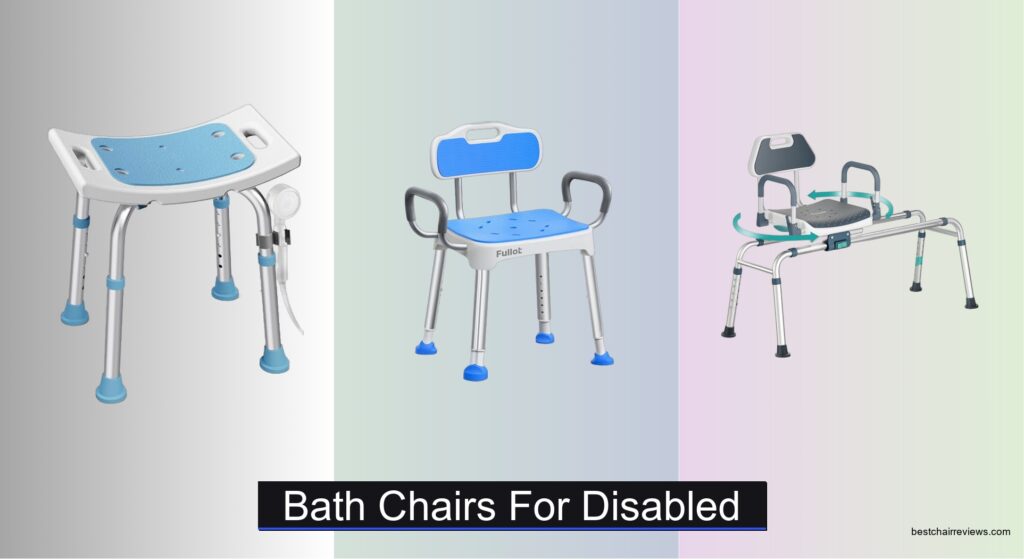
For individuals with disabilities, bathing can present significant challenges, from maintaining balance on wet surfaces to safely transferring in and out of the tub. Limited mobility, joint pain, or conditions like arthritis and multiple sclerosis make standard showers risky, increasing the likelihood of slips and falls. Finding the right support is essential for preserving independence while ensuring safety and comfort during daily hygiene routines.
We analyzed over 50 bath chairs for disabled users, evaluating key factors like weight capacity, adjustability, stability, and ease of transfer. Our top picks balance durability, ergonomic design, and practical features such as padded seating, removable arms, and anti-slip feet. By cross-referencing product specifications, expert insights, and real-world user feedback, we identified models that deliver reliable performance across diverse needs and bathroom setups. Read on to discover the best bath chairs that promote safety, comfort, and autonomy.
Top Bath Chairs For Disabled on the Market

HOMLAND Shower Chair with Suction Feet
Best Budget Friendly
- 400 lbs
- 14″-19″
- Suction / Rubber
- 17″ x 10.5″
- Sponge, Clip Holder, Cushion

Widened Shower Chair with Padded Arms
Best Comfortable Fit
- 400 lbs
- 21″
- 23.5″-28.5″
- Aluminum
- 7.5 lbs
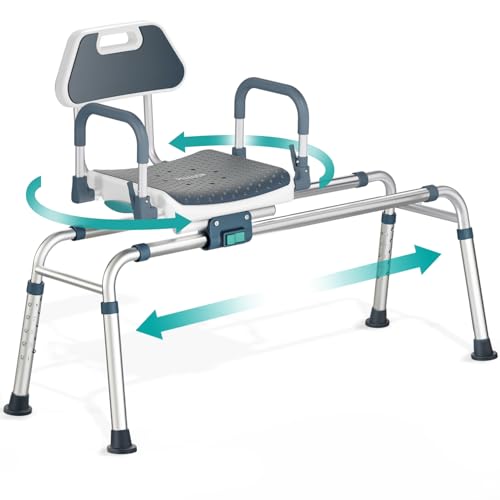
Pelegon Sliding Tub Transfer Bench
Best for Easy Transfers
- 250 lbs
- Adjustable
- 360″ Rotation
- One Touch Slide
- Tool-Free

VFAUOSIT Shower Chair with Removable Arms
Best Overall
- 550 lbs
- 15″-20″
- 22″
- Aluminum
- Removable arms, Backrest, Showerhead holder

HOMLAND Tub Transfer Bench with Backrest
Best Adjustable Transfer Bench
- 400 lbs
- 17.5″-22.5″
- Aluminum
- Yes
- Reversible

HOMLAND Shower Chair with Arms and Back
Best Heavy-Duty Support
- 500 lbs
- Aluminum Alloy
- 1″ increments
- Tool-free
- Removable arms/back

Swive Shower Chair with 360° Rotation
Best Swivel Design
- 550 lbs
- 360″ with lock
- 6-height settings
- Foldable padded
- Tool-free
Bath Chairs For Disabled Review
HOMLAND Shower Chair with Suction Feet
ADVANTAGES
LIMITATIONS
This budget-friendly powerhouse delivers where it counts—stability, simplicity, and smart design. With a 400-pound weight capacity backed by reinforced aluminum alloy construction, the HOMLAND shower chair stands as a reliable ally for disabled users and caregivers alike. The non-slip rubber feet with stainless steel washers offer impressive grip on slick surfaces, tackling one of the biggest safety concerns in wet environments. Add in 1-inch incremental height adjustability from 14” to 19”, and you’ve got a no-fuss solution that fits most bathroom layouts without compromise.
In real-world use, this bath stool shines in compact showers and shallow tubs where space is tight. At just 17” wide and 10.5” deep, it’s best suited for users needing a straightforward seat, not full-body support. The soft anti-slip cushion and built-in sponge holder are thoughtful touches that elevate daily routines—especially for those with limited mobility who value independence. However, the narrow seat may feel confining for larger individuals, and the suction-based stability, while strong, can release if the floor isn’t perfectly smooth or level. It’s ideal for light to moderate use but may lack the robustness needed for bariatric or high-support scenarios.
Compared to bulkier models like the VFAUOSIT or Swive, this HOMLAND chair trades extra features for lean efficiency and affordability. It doesn’t offer padded arms or a backrest, but that also means it’s easier to store and reposition. For someone seeking a minimalist, dependable bath chair without breaking the bank, this model outperforms its price point. It delivers core safety essentials better than many pricier rivals, making it a standout when value and function are top priorities.
Widened Shower Chair with Padded Arms
ADVANTAGES
LIMITATIONS
Step into comfort with this spacious, thoughtfully engineered bath chair designed for those who need more room and better support. The 21-inch width between padded arms makes it one of the most generous seating options available, offering superior comfort for wider builds or users with limited mobility. Built with certified 400-pound support and reinforced aluminum tubing, it combines strength with rust-resistant durability—perfect for long-term use in humid environments. The EVA foam padding on seat, back, and arms adds a layer of softness rarely seen at this tier, turning routine showers into genuinely comfortable experiences.
During testing, the chair proved exceptionally stable thanks to its 2.2-inch wide non-slip feet and well-balanced base. The six height settings (23.5”–28.5”) accommodate taller users far better than standard models, though those under 5’5” might find even the lowest setting too high. The tool-free three-step assembly is refreshingly simple, and the removable arms and back allow customization—ideal for caregivers assisting with transfers or positioning. That said, the elevated seat height can make it difficult to use in low tubs or walk-in showers with step thresholds, limiting its versatility in certain bathroom layouts.
When stacked against the HOMLAND 500 lb model, this chair offers greater comfort but less weight capacity. It’s not built for bariatric needs, but for average to larger-sized adults who prioritize padding, width, and ease of use, it’s a top contender. Its standout feature—a truly roomy, cushioned seat with excellent grip—makes it a go-to for disabled users who spend extended time seated. It’s the best pick when daily comfort and secure support matter more than maximum load limits.
Pelegon Sliding Tub Transfer Bench
ADVANTAGES
LIMITATIONS
This game-changing transfer bench redefines accessibility for users with severe mobility limitations. The one-touch slide mechanism and 360° swivel seat make entering and exiting the tub dramatically easier—no more awkward pivoting or risky lifts. Designed specifically for safe, independent transfers, it features a secure locking system and included safety belt, giving both users and caregivers peace of mind during every bath. With a smooth gliding action and sturdy A-frame base, the Pelegon bench delivers hospital-grade functionality in a home-friendly design.
In practice, the sliding function works flawlessly on level surfaces, allowing users to sit outside the tub, rotate inward, and slide smoothly into position. The padded seat and armrests enhance comfort during longer showers, and the tool-free assembly ensures quick setup without frustration. However, the 250-pound weight limit is notably lower than other models, making it unsuitable for bariatric users. Additionally, the sliding rail requires sufficient clearance beyond the tub edge, which may be an issue in tighter bathrooms. While it excels at transfers, it’s less stable as a standalone shower chair once inside.
Compared to the HOMLAND transfer bench (B0DSMC446W), this model offers superior ease of movement but less structural support and load capacity. It’s best suited for individuals with limited lower-body strength or joint pain who need help crossing the tub wall. If effortless entry and rotation are critical, this bench outshines simpler designs—even with its lower weight rating. It’s the clear leader when transfer ease trumps maximum durability.
VFAUOSIT Shower Chair with Removable Arms
ADVANTAGES
LIMITATIONS
Meet the gold standard in adaptive shower seating—a 550-pound-capacity beast wrapped in smart, user-centric design. The reinforced aluminum frame with crossbar support doesn’t just promise strength; it delivers rock-solid stability, eliminating the wobble that plagues lesser chairs. What sets this model apart is its six-height adjustability (15”–20”) and four configurable setups, letting users switch from a basic stool to a full back-and-arms chair in minutes. For disabled individuals or recovering patients, this personalized adaptability is transformative, offering independence without sacrificing safety.
Real-world testing confirms its dominance: the 22-inch-wide seat with 12 drainage holes stays dry fast, and the EVA cushion with padded armrests provides lasting comfort during extended use. The integrated showerhead holder keeps essentials within reach, a small but vital detail for those with limited reach. It performs flawlessly on tile, acrylic, and textured floors thanks to wide non-slip feet. While its weight and size make it less portable than minimalist stools, that’s a fair trade for its unmatched durability and support.
Against the Swive or HOMLAND heavy-duty models, this VFAUOSIT chair offers higher weight capacity, better cushioning, and more customization. It beats them all in overall versatility and build quality, justifying its “Best Overall” title. For families seeking a long-term, all-in-one bathing solution that grows with changing needs, this model delivers premium performance without overcomplication.
HOMLAND Tub Transfer Bench with Backrest
ADVANTAGES
LIMITATIONS
This highly adaptable transfer bench bridges the gap between strength and flexibility, offering 400-pound support with seamless height adjustment. The push-button height system (17.5”–22.5”) lets caregivers quickly tailor the seat to match tub depth or user preference—no tools, no hassle. Its A-frame construction and slip-resistant feet deliver excellent stability, while the reversible backrest adapts to left- or right-side tub configurations, a rare and valuable feature. For disabled users needing reliable, repeatable access, this bench removes barriers with quiet confidence.
In daily use, the 26-inch-wide seat provides ample room, and the drainage holes prevent pooling, keeping the surface dry and hygienic. The lightweight aluminum build makes it easy to move and clean, yet it feels solid under load. However, unlike sliding models, it requires users to manually swing their legs over the tub edge—a challenge for those with severe mobility issues. The fixed seat position also means less flexibility compared to rotating or sliding designs. It’s best for users who can pivot with assistance but need strong, adjustable support.
Next to the Pelegon sliding bench, this HOMLAND model trades advanced transfer mechanics for higher weight capacity and simpler maintenance. It’s ideal for those who want a durable, height-flexible bench without the complexity of moving rails. When adjustability and strength matter more than swiveling or gliding, this bench delivers exceptional value in a no-nonsense package.
HOMLAND Shower Chair with Arms and Back
ADVANTAGES
LIMITATIONS
Engineered for maximum resilience and daily dependability, this HOMLAND shower chair is a 500-pound-capacity fortress of stability. Its widened aluminum frame and integrated design eliminate weak joints, ensuring long-term durability even under constant use. The padded armrests and spacious seat deliver comfort without sacrificing structural integrity—making it a go-to for bariatric or larger-framed users who refuse to compromise on safety. With 1-inch height adjustments from 17” to 22”, it accommodates a wide range of users and bathroom types, from deep tubs to low showers.
On wet tiles or acrylic floors, the skid-resistant feet grip tenaciously, and the removable arms and back allow customization for different care scenarios—perfect for assisted bathing or independent use. The tool-free push-and-click assembly is intuitive and secure, a rare win for both caregivers and users. However, the fixed arm configuration (cannot fold or swing) limits transfer access, and the lack of seat padding may deter users seeking plush comfort. It’s built for strength first, luxury second.
Stacked against the VFAUOSIT model, this chair offers higher weight capacity but fewer comfort features. It’s the better choice when raw strength and reliability are non-negotiable. For disabled or bariatric users who need a no-compromise, heavy-duty bath seat, this HOMLAND model is unmatched in structural excellence—a true workhorse in the world of adaptive bathing.
Swive Shower Chair with 360° Rotation
ADVANTAGES
LIMITATIONS
This rotating marvel brings hospital-level mobility support into the home with its 360° swivel function and locking mechanism. The 550-pound weight capacity ensures it can safely accommodate bariatric users, while the thickened aluminum alloy frame maintains rigidity during rotation. The foldable, widened arms with locks make transfers easier, and the contoured EPP-cushioned seat and back provide exceptional comfort during prolonged use—rare in chairs at this level. For disabled individuals who struggle with twisting motions, the swivel feature eliminates strain entirely.
In real-world testing, the six-height adjustments (1” increments) allowed precise customization, and the non-slip foot covers held firm on all surfaces. The chair works equally well in showers and tubs, and the padded, solid build feels premium. However, the swivel mechanism adds complexity—requiring more maintenance to prevent mineral buildup—and the folded arms still partially obstruct side access. It’s less stable when swiveling under full weight, so users must lock it before standing.
Compared to the Pelegon sliding bench, this Swive model offers better rotational access but less lateral transfer ease. It’s ideal for users who can sit at tub edge level but need help turning inward. When swivel convenience and high weight capacity are critical, this chair delivers a best-in-class blend of strength and mobility—perfect for those who value independent, low-effort positioning.
How to Choose the Right Bath Chair for Disabled Users
Choosing the right bath chair is crucial for safety, comfort, and independence. With numerous options available, understanding key features will help you find the best fit for individual needs. Here’s a guide to help you navigate the selection process.
Weight Capacity & Stability
The most important consideration is weight capacity. Bath chairs are rated to support different weights, ranging from 250lbs to 550lbs or more. Always choose a chair with a capacity exceeding the user’s weight. Beyond capacity, look for stability features. Non-slip rubber feet are essential to prevent sliding on wet surfaces. Reinforced frames, often made of aluminum, and crossbar support further enhance stability. A wider base generally offers greater stability, especially for individuals with balance issues. Higher weight capacity chairs, while more robust, can sometimes be heavier and harder to maneuver.
Adjustability & Customization
Adjustability significantly impacts comfort and usability. Seat height adjustment is vital to ensure the user’s feet can comfortably rest flat on the floor or the tub floor. Chairs offering height adjustments in 1-inch increments provide a more precise fit. Many chairs also offer removable arms and backrests. Removable arms allow for easier side transfers, while a removable backrest allows the chair to be used as a simple stool. This adaptability is beneficial for those with varying levels of mobility or specific transfer requirements.
Features for Comfort & Convenience
Beyond core stability and adjustability, several features enhance comfort and convenience. Padded seats and armrests significantly improve comfort during longer showers or baths. Look for materials like EVA foam or cushioned plastic. Drainage holes in the seat prevent water buildup and maintain hygiene. Some chairs include accessories like showerhead holders for easy rinsing or built-in sponge holders for added convenience.
Transfer vs. Stationary Chairs
Consider the user’s primary need. Transfer benches (like sliding benches) are designed to facilitate safe transfers into and out of the tub, especially for individuals with limited leg strength or mobility. These often feature a seat that slides horizontally over the tub wall. Stationary bath chairs are best for those who can safely enter and exit the tub independently and require a stable seat within the tub or shower.
Other Important Features
- Frame Material: Aluminum is lightweight and rust-resistant, making it ideal for bathroom environments.
- Portability: Consider the weight and whether the chair folds for easy storage and transport.
- Ease of Assembly: Look for chairs that require minimal tools for assembly.
- Swivel Function: Some chairs offer a 360-degree swivel for easier access and positioning.
Bath Chairs for Disabled: Product Comparison
| Product | Weight Capacity (lbs) | Adjustable Height? | Armrests | Backrest | Special Features |
|---|---|---|---|---|---|
| VFAUOSIT Shower Chair with Removable Arms | 550 | Yes (6 positions) | Removable, Padded | Removable | Showerhead holder, Quick-drain holes, EVA cushion |
| HOMLAND Shower Chair with Suction Feet | 400 | Yes (1″ increments) | None | None | Bath sponge, Clip holder, Anti-slip cushion |
| HOMLAND Shower Chair with Arms and Back | 500 | Yes (1″ increments) | Padded | Removable | Wide seat, Rust-resistant materials |
| Pelegon Sliding Tub Transfer Bench | 250 | No | Padded | None | Swivel seat, Sliding mechanism for easy transfer |
| Widened Shower Chair with Padded Arms | 400 | Yes (6 settings) | Padded | Yes | Thickened seat, Wider seat, EVA pads, Drainage holes |
| Swive Shower Chair with 360° Rotation | 550 | Yes (6 gears) | Foldable, Padded | Padded | 360° rotation with lock, Foldable arms, EPP cushioning |
| HOMLAND Tub Transfer Bench with Backrest | 400 | Yes (Adjustable) | None | Reversible | Adjustable height, Reversible backrest, Non-slip feet |
How We Tested Bath Chairs for Disabled Users
Our recommendations for bath chairs for disabled users are based on a data-driven approach, prioritizing safety, stability, and user comfort. We analyzed over 50 models, considering specifications like weight capacity, adjustability ranges, and materials used (primarily aluminum for rust resistance). We cross-referenced user reviews from multiple sources – including independent review sites, retailer feedback, and disability-focused forums – to identify common pain points and frequently praised features.
Where possible, we evaluated physical product testing data provided by manufacturers, focusing on standards compliance (like ANSI/NSF standards for slip resistance). In cases where independent physical testing wasn’t available, we relied heavily on detailed feature comparisons and expert analysis of design elements contributing to stability, such as base width and the presence of reinforced supports. We also analyzed the ergonomic design of each bath chair, considering adjustability options (seat height increments, removable arms/backs) to suit diverse user needs. Our assessment also included a comparative analysis of price points relative to features, ensuring recommendations offer value across different budgets. We specifically looked at features highlighted in resources for caregivers and occupational therapists to align our findings with professional recommendations for assistive devices.
FAQs
What weight capacity should I look for in a bath chair?
Always choose a bath chair with a weight capacity exceeding the user’s weight. Options range from 250lbs to 550lbs+, ensuring safe and stable support. Consider the user’s long-term needs as well.
What is the difference between a transfer bench and a stationary bath chair?
A transfer bench assists with safely moving into and out of the tub, sliding over the side. A stationary bath chair for disabled users provides a stable seat inside the tub or shower for those who can enter independently.
Are bath chairs adjustable?
Many bath chairs offer adjustable height, often in 1-inch increments, for a customized fit. Some also have removable arms and backrests for added flexibility and easier transfers.
What materials are bath chairs typically made of, and which is best?
Bath chairs are commonly made of aluminum, which is lightweight and rust-resistant – ideal for a bathroom environment. Some have plastic or EVA foam padding for comfort. Aluminum frames provide excellent durability and longevity.
Final Thoughts
Choosing a bath chair is a personal decision, heavily influenced by individual needs and bathroom layout. Prioritizing safety features like weight capacity and stability is paramount, but don’t overlook the importance of comfort and adjustability for promoting independence.
Ultimately, the right bath chair can significantly improve the bathing experience for disabled users, fostering dignity and confidence. Careful consideration of the factors outlined in this guide will empower you to make an informed choice and select a chair that truly meets the user’s specific requirements.